
Reviewed · WILDLIFE SOS & ELEPHANT SANCTUARY VISITS
From Agra: SOS Elephant Conservation & Bear Rescue Day Trip
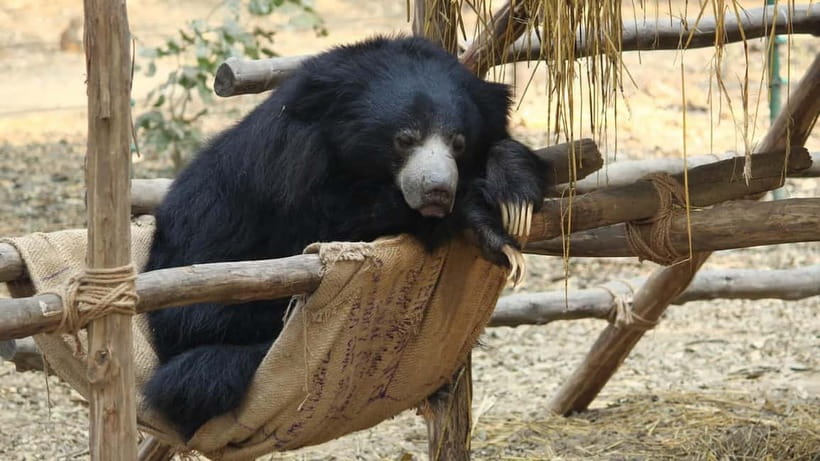
Elephants and bears, and no theme-park tricks. From Agra, this Wildlife SOS and Keetham Bear Park day trip pairs rescue stories with real animal-care viewing, and I love how the guide connects the past abuse to today’s rehabilitation. You’ll also watch a documentary about medical treatment and recovery, which makes the visit feel purposeful instead of just scenic. The one catch: donation and park entry fees are extra, so you should plan a little buffer money for on-site contributions.
I also like the practical flow of the day: most time goes to elephants, then you get a break in Mathura before a guided 2-hour walk at Keetham Lake. The private, air-conditioned car helps you handle the long day, and the guides I met along the way (including Sunny, with support from sanctuary staff like Vishan) keep it focused on welfare, not photo ops.
In This Review
- Key Things to Know Before You Go
- Why This Agra Elephant-and-Bear Rescue Trip Feels Different
- Getting There Comfortably: Pickup Stops and a Private Car
- Wildlife SOS Elephant Conservation Center: What Your 4.5 Hours Really Adds Up To
- Mathura Break: Lunch Time and a Chance to Reset
- Keetham Bear Park at Keetham Lake: Guided Walk Through Rescue Habitat
- The Documentary and the Visit Rules That Keep Things Respectful
- Price and Value: Is $32 Fair for One Full Day?
- Who This Tour Suits Best (and Who Should Skip It)
- Should You Book This Agra Elephant-and-Bear Rescue Day Trip?
- FAQ
- How long is the day trip from Agra?
- Where does the tour pick up and drop off?
- Is the tour guided and in English?
- What’s included in the price?
- Are meals included?
- What happens at the Wildlife SOS elephant center?
- How long do you spend at the bear rescue area?
- Are donation fees and park entry fees included?
- Can I feed the animals or use flash photography?
- Is the tour suitable for everyone?
Key Things to Know Before You Go
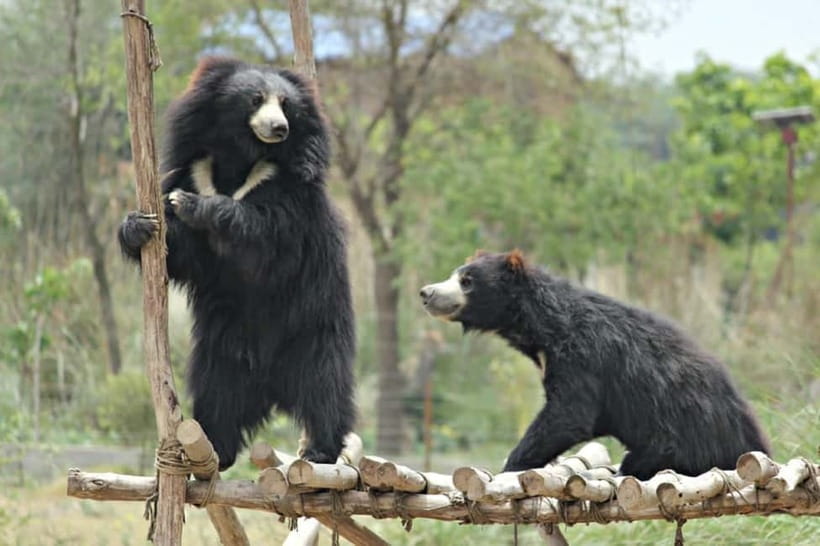
- Two rescue missions in one day: elephants at Wildlife SOS and sloth bears at Keetham Bear Park.
- Rescue stories with context: elephants and bears are presented with their past lives and why care now matters.
- Documentary screening: you’ll watch a film tied to rescue programs and medical treatment.
- Keetham Lake nature time: the bear area is set in a place known for flora and fauna, not concrete-only viewing.
- Keepers lead the moments that matter: even when you’re told about feeding and bathing, you’re expected to follow strict animal-care rules (including no feeding).
More time with the rescued elephants and bears
Why This Agra Elephant-and-Bear Rescue Trip Feels Different
This isn’t built like a zoo visit where you just move from one viewing spot to another. The day is structured around rehabilitation—the stories of animals rescued from temples, circuses, and villages, and the idea that proper care changes outcomes. That storyline matters because it gives you a clear reason to look closely, listen, and ask questions.
I also like that the tour doesn’t treat welfare as a side note. You get a wildlife expert guide, a documentary about rescue programs and treatment, and enough time in each center to understand what staff do day to day. It makes conservation feel real, not abstract.
If you’re coming to Agra mainly for the Taj Mahal and forts, this day trip adds a very different side of India. It’s one of those rare experiences that can shift how you think about animal tourism—especially around elephants.
Getting There Comfortably: Pickup Stops and a Private Car
The tour is designed for convenience from Agra. You can be picked up from multiple locations (including Agra Airport, Taj Mahal Metro Station, Agra Cantt Railway Station, and several metro stations around the city), and you’ll be dropped off back at one of the listed points after the day ends.
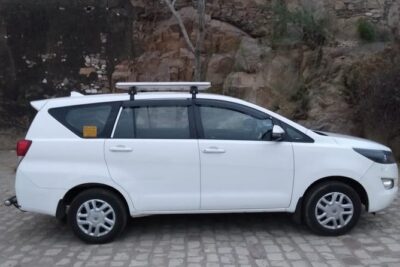
You travel by a private air-conditioned car, which helps a lot with fatigue. The drive from Agra to the elephant center and onward to the bear park takes time, and the comfort level makes the schedule feel more manageable. One review also highlighted how the driver, Bobby, was patient, which is a good sign if you’re sensitive to road delays.
Practical tip: bring water and plan for sun. Even if the ride is comfortable, the centers involve outdoor time and walking.
Wildlife SOS Elephant Conservation Center: What Your 4.5 Hours Really Adds Up To
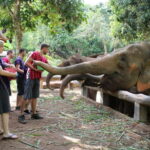
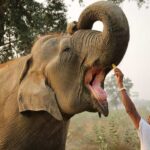
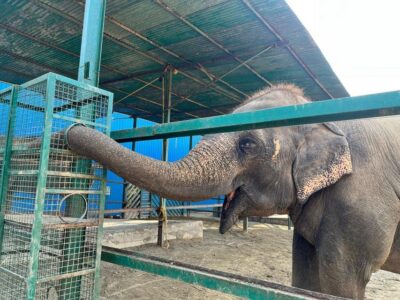
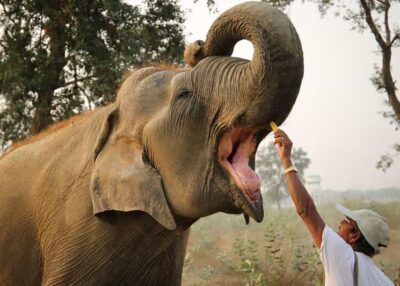
This is the big chunk of the day—about 4.5 hours focused on elephants, including sightseeing and wildlife viewing. You’ll start with the rescue and rehabilitation angle, with stories about elephants used for transportation and domestic purposes, then rescued from places like temples and circuses.
The elephant center portion is valuable because it teaches you how welfare works beyond a simple “look, they’re big” moment. You’re not just seeing animals; you’re learning why staff care, how recovery is handled, and what improvements mean for long-term health.
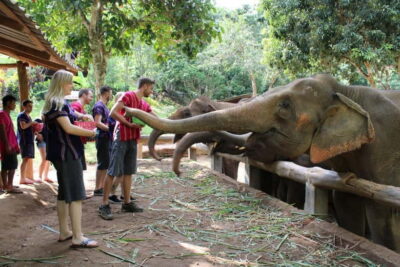
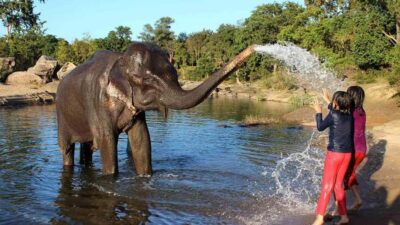
You’ll also have the chance to watch documentary content during the day that connects the work you’re seeing to medical treatment and rescue programs. And in keeper-led moments, you may get to observe how elephants are cared for—such as feeding and walking routines—while following the guidance from staff.
Good to know before you go: the tour description talks about activities like feeding and bathing, but the rules for visitors are strict. Feeding animals is not allowed, so think of any “hands-on” style moments as keeper-led. You can still learn a lot by watching closely and asking questions.
Mathura Break: Lunch Time and a Chance to Reset
Between the elephant center and the bear park, you’ll get a break in Mathura with about 1.5 hours for lunch. Meals are not included, so you’ll decide where to eat during that window.
Why this stop is more than just a break: it gives you a mental reset. Elephant care viewing can be emotionally heavy, especially when the guide shares past stories tied to exploitation. Then Mathura’s lunch stop lets you regroup before the bear center visit.
Practical tip: use the time strategically. If you’ll buy snacks or water for later, do it during the Mathura break, since you might not want to be scrambling after the morning schedule.
More Agra tours we have been out on and rated
- From Delhi: Private 1-day Mathura and Vrindavan Tour by Car★ 5.0 · 4 reviews
- From Delhi: 1-day trip Mathura with Elephant conservation★ 4.4 · 4 reviews
- From Delhi: Private 1-day Mathura and Vrindavan Tour by Car★ 4.7 · 3 reviews
Keetham Bear Park at Keetham Lake: Guided Walk Through Rescue Habitat
The bear side of the trip runs about 2 hours, and it’s centered on the Keetham Bear Park area, located where Keetham Lake is part of the setting. The tour includes a guided visit and a walk, plus wildlife viewing.
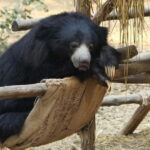
This stop is special because you’re not just hearing about rescue—you’re also moving through a natural-feeling space where the environment matters. The information you get focuses on sloth bears and their past lives, including how they were used before rescue.
The guided walk is your best window to slow down. You’ll be in a guided group, which helps you connect what you see to what staff are trying to accomplish: safer lives, better health management, and ongoing monitoring in a sanctuary-style environment.
If you’re the kind of person who likes nature as much as animals, this is the part that often feels most balanced. It’s the closest thing in the day to a “slow travel” pace.
The Documentary and the Visit Rules That Keep Things Respectful
Watching the documentary is one of the strongest parts of the day because it turns what could feel like a one-day animal viewing into a learning experience with medical detail. The film connects rescue programs to treatment, which helps you interpret what you see afterward.
The other key piece is the rules. You’ll want to follow them closely because they protect both the animals and the sanctuaries.
- No flash photography
- No smoking
- No feeding animals
Those rules might slightly limit how you interact with the animals, but that’s the point. If you want meaningful conservation work, you don’t treat wildlife like a prop.
What to bring also supports a smoother visit: a hat, sunscreen, water, insect repellent, and comfortable clothes. A camera helps, but plan for bright light outdoors—especially if you’re trying to get usable photos without flash.
Price and Value: Is $32 Fair for One Full Day?
At around $32 per person for a one-day trip, the price is best understood as a package that covers more than just “admission.” You’re paying for hotel pickup/drop-off, a private air-conditioned car, an English live wildlife expert guide, and documentary viewing. Those pieces alone save time and stress versus trying to coordinate everything on your own.
The trade-off is that you should expect extra small payments on-site. Donation fees for the elephant and bear sanctuaries are listed as not included, and park entry fees aren’t included either. So your all-in cost is likely a bit more than the base fare, depending on what’s required at the centers that day.
For most people, the value comes down to this: if you care about conservation and you want a guided explanation with real animal welfare context, you’re paying for that structure. If you just want quick animal selfies, you’ll feel constrained by the rules and the sanctuary-style setup.
Who This Tour Suits Best (and Who Should Skip It)
This tour fits best if you want a meaningful animal welfare day rather than a casual wildlife stop. It’s also a strong pick if you prefer a guided explanation and you don’t mind learning through documentary-style content plus on-site interpretation.
You should consider skipping if:
- You’re traveling with children under 3
- You’re pregnant
- You need wheelchair access
- You have animal allergies
That’s not a judgment call about the sanctuaries—it’s about comfort and safety for your situation.
Also, if you’re easily distressed by stories of exploitation, you’ll want to mentally prepare. The tour includes difficult backstories about elephants and bears. For many people, that’s exactly what makes the day stick with them in a good way. For others, it might be too heavy for a short visit.
Should You Book This Agra Elephant-and-Bear Rescue Day Trip?
I think it’s a great booking for the right traveler. Book it if you want to trade a standard sightseeing day for something more grounded in welfare, rescue, and rehabilitation—and if you’ll appreciate the fact that the sanctuaries operate with strict visitor rules.
I’d skip it if your main goal is relaxing, hands-off entertainment, or if you’re counting on a cheap day with no extra on-site costs. Between donation and park entry fees, you should expect to spend a little more than the base $32.
If you’re visiting Agra and you want to see a different side of India—one where local teams are working hard to fix harm rather than promote it—this is one of the most practical and conscience-friendly choices you can make.
FAQ
How long is the day trip from Agra?
The duration is 1 day.
Where does the tour pick up and drop off?
Pickup is available from multiple Agra-area locations including Agra Airport, Taj Mahal Metro Station, Railway Station Parking, Agra Cantt Railway Station, Agra Fort Metro Station, and Captain Shubham Gupta Metro Station. Drop-off is available at similar locations.
Is the tour guided and in English?
Yes. You’ll have a live tour guide in English, along with a wildlife expert guide.
What’s included in the price?
Included are hotel pickup and drop-off, a private air-conditioned car, a wildlife expert guide, documentary viewing, plus visits to the bear sanctuary and elephant sanctuary. Donation fees and park entry fees are not included.
Are meals included?
No. Meals are not included, though there is a lunch break in Mathura.
What happens at the Wildlife SOS elephant center?
You’ll visit the Wildlife SOS Elephant Conservation and Care Center for about 4.5 hours, including sightseeing and wildlife viewing, and you’ll have documentary viewing during the day.
How long do you spend at the bear rescue area?
You’ll spend about 2 hours at Keetham Bear Park with guided tour time, a walk, and wildlife viewing.
Are donation fees and park entry fees included?
No. Bear sanctuary donation fees and elephant sanctuary donation fees are not included, and park entry fees are also not included.
Can I feed the animals or use flash photography?
No. Feeding animals is not allowed, and flash photography is not allowed.
Is the tour suitable for everyone?
It’s not suitable for children under 3, pregnant women, wheelchair users, or people with animal allergies.
More 1-Day Tours in Mathura
- From Delhi: 1-day trip Mathura with Elephant conservation
★ 4.5 · 6 reviews - From Delhi: Private 1-day Mathura and Vrindavan Tour by Car
★ 5.0 · 4 reviews - From Delhi: 1-day trip Mathura with Elephant conservation
★ 4.4 · 4 reviews - From Delhi: Private 1-day Mathura and Vrindavan Tour by Car
★ 4.7 · 3 reviews
More Tour Reviews in Mathura
- Delhi: Sunrise Taj Mahal & Elephant SOS Tour with Transfers
★ 4.6 · 15 reviews - From Delhi: Sunrise Taj Mahal Tour with Elephant SOS Center
★ 4.9 · 12 reviews - From Delhi : Elephant Conservation and Care Centre -Wildlife
★ 4.7 · 11 reviews - From Delhi: 1-day trip Mathura with Elephant conservation
★ 4.5 · 6 reviews - Same Day Mathura and Vrindavan Tour From Delhi Or Agra
★ 4.1 · 4 reviews
More Time at the Elephant Rescue
- Delhi: Sunrise Taj Mahal & Elephant SOS Tour with Transfers
★ 4.6 · 15 reviews - From Delhi: Sunrise Taj Mahal Tour with Elephant SOS Center
★ 4.9 · 12 reviews - From Delhi : Elephant Conservation and Care Centre -Wildlife
★ 4.7 · 11 reviews - From Delhi: 1-day trip Mathura with Elephant conservation
★ 4.5 · 6 reviews - From Delhi: 1-day trip Mathura with Elephant conservation
★ 4.4 · 4 reviews
Just Reviewed: The Latest Agra Tours



Wildlife SOS & Elephant Sanctuary Visits, compared.
 ★ 4.8From Agra: Visit to Wildlife SOS Elephant Conservation TripFrom $2647 reviews
 ★ 4.6Delhi: Sunrise Taj Mahal & Elephant SOS Tour with TransfersFrom $1315 reviews
 ★ 4.9From Delhi: Sunrise Taj Mahal Tour with Elephant SOS CenterFrom $212 reviews
 ★ 4.9Taj Mahal Tour with Optional Wildlife Rescue Center VisitFrom $2112 reviews
 ★ 4.7From Delhi : Elephant Conservation and Care Centre -WildlifeFrom $10911 reviews
 ★ 4.7From Agra: Taj Mahal Tour w/ Elephant ConservationFrom $1210 reviews
 ★ 5.0Half-Day Private Sightseeing tour to Wildlife SOS from AgraFrom $149 reviews
 ★ 4.5From Delhi: 1-day trip Mathura with Elephant conservationFrom $1346 reviews
Browse the lists this tour appears in