
Reviewed · AGRA CITY SIGHTSEEING TOURS
Agra City Cultural Walk
Agra wakes up fast, and so does this walk. An early start is the whole point: I love how you see daily life as it begins, and I also love Arif’s plain-English storytelling that turns ordinary lanes into real context fast. One thing to consider is the morning timing and walking around tight lanes, so bring a moderate fitness level and wear the right clothes for temples and mosques.
You’ll ride in a battery-powered eco-friendly rickshaw to the old city area, then leave it behind and switch to walking with your guide. It’s a private-style experience for your group, plus hotel pickup and drop-off, bottled water, and a mobile ticket that keeps logistics simple. If you’re expecting big monument viewing time, this is more about streets, faith, and how the city works around famous landmarks.
In This Review
- Key Things You’ll Notice on This Old Agra City Walk
- Why This Early-Morning Old Agra Walk Feels Different
- Getting to the Old City: The Eco-Friendly Rickshaw Ride
- Stop 1: Agra Fort Railway Station as Your First Story Anchor
- Stop 2: Shri Mankameshwar Mandir and Mosque/Temple Etiquette
- Stop 3: Jama Masjid and a Respectful Look at Living Faith
- What You Actually Learn From Arif (And Why It Improves Value)
- Markets, Architecture, and Train-Station Reality Checks
- Price and Value: What $100 Gets You in Real Terms
- Timing and Physical Pacing: Plan Like a Local
- Dress Code and What to Bring (So You Can Relax)
- Who This Walk Is Best For
- Should You Book This Agra City Cultural Walk?
- FAQ
- What is the duration of the Agra City Cultural Walk?
- How much does the tour cost?
- Does the tour include hotel pickup and drop-off?
- What sites do you visit during the walk?
- Are entrance tickets included?
- Do I need to dress in a specific way?
- Is the tour private?
- Is there a fitness requirement?
- What happens if the weather is bad?
- Can I cancel for a full refund?
Key Things You’ll Notice on This Old Agra City Walk
- Early-morning pacing that helps you spot daily rhythms before the day gets hectic
- Battery-powered rickshaw transfer to reach the old city without a long scramble
- Focused, short temple/mosque stops that teach etiquette while keeping the walk moving
- Agra Fort Railway Station ticket included so one entrance fee is handled for you
- Dress code guidance (cover knees and shoulders) for both mosque and temple sites
- Arif’s street-level perspective that connects architecture, markets, and city change
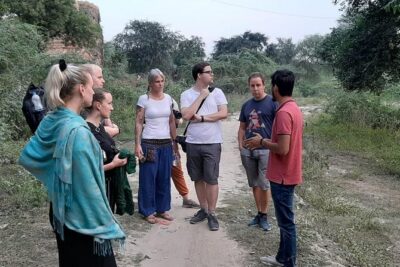
Deeper into the old lanes of Agra


Why This Early-Morning Old Agra Walk Feels Different
Most Agra sightseeing puts you in a queue. This tour puts you in motion. The route starts early, right from your hotel pickup, so you experience the old city while people are still waking up and working their routines into the day.
What I like is how the focus stays practical. You’re not just learning facts about famous places. You’re learning how religion, commerce, and local life share the same streets. One review called it a journey through time, but it’s also a journey through everyday behavior: who is out, where people move, and how buildings fit into daily routes.
A possible drawback is that “early” means early. If you’re not a morning person, you’ll still enjoy it, but you’ll want to plan sleep accordingly.
Getting to the Old City: The Eco-Friendly Rickshaw Ride
Here’s a small detail that matters: you travel to the old city area in a battery powered eco-friendly rickshaw. Instead of spending energy on a long transfer, you save time and arrive in the right mood—ready to walk.
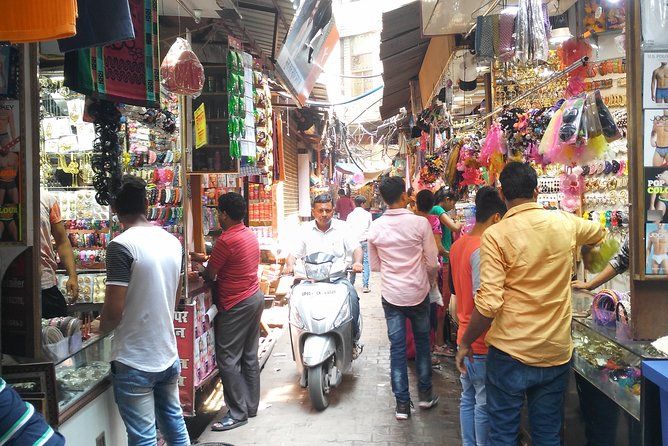
After the rickshaw drops you off, you leave it behind and start exploring the by lanes on foot. That shift is key. Old Agra really does reward walking. You’ll notice the tight turns, shop patterns, and how religious sites sit in the middle of everyday movement.
Also, this isn’t an all-day grind. The full experience runs about 2 hours 30 minutes to 3 hours, so it’s long enough to feel like you understand the area, but short enough that you can still enjoy the rest of your Agra day.
Stop 1: Agra Fort Railway Station as Your First Story Anchor
Your first stop is Agra Fort Railway Station—and it’s not there just for a photo. The tour uses the station area as a history and stories starting point (about 10 minutes), with an admission ticket included.
Why start here? Because a train station is a city in miniature. Even at a glance, you can read the logic of movement: arrivals, departures, and how people route themselves through a busy area. In a city shaped by different empires and later modern infrastructure, this kind of anchor helps you understand what changed and what stayed.
Time is tight at this stop, so I’d treat it like an orientation moment. Listen closely to what your guide connects to city development and architecture. If you’re the type who likes to ask questions, this is a good moment to do it while the guide is building the bigger picture.
Stop 2: Shri Mankameshwar Mandir and Mosque/Temple Etiquette
Next comes Shri Mankameshwar Mandir (about 10 minutes), with admission free.
Even with a short visit, this stop plays an important role in the tour’s balance. A lot of city walks focus only on big monuments. This one adds a temple experience to remind you that religion isn’t just a background theme in Agra—it’s part of how the streets stay alive.
This is also where your planning pays off. The tour has a clear dress code: cover your knees and shoulders because you’ll visit both a mosque and a temple. It’s not just a rule; it’s a sign of respect, and it keeps the experience smooth instead of awkward.
If you like small details, watch how people move and where they pause. A mandir stop is short, but it’s enough time to understand the setting and your guide’s explanation of meaning.
See the whole of Agra in a day
- Private Guided Tour of Agra★ 5.0 · 420 reviews
- Taj Mahal, Agra Fort, Baby Taj & Mehtab Bagh Private City Tour★ 5.0 · 391 reviews
- Agra : Private Sunrise Taj Mahal & Agra City Tour★ 5.0 · 367 reviews
- Private Agra Local Sightseeing Tour★ 5.0 · 199 reviews
- All-Inclusive Private Sunrise Taj Mahal & Agra City Tour★ 5.0 · 139 reviews
Stop 3: Jama Masjid and a Respectful Look at Living Faith
Your final scheduled highlight is Jama Masjid (about 5 minutes), also admission free.
Five minutes can sound quick, but in tours like this, mosque stops work best as a punctuation mark. You get a guided story, a brief look at the space, and a reset before you continue walking and learning at street level.
The etiquette matters here. Since the tour includes mosque time, you’ll feel the dress code in action—especially around entrances and prayer areas. If you arrive dressed for it, you’ll spend less time worrying and more time paying attention.
One practical thing: because this is a working religious site, be ready for normal flow of people. Your guide will help you keep the experience respectful and on pace.
What You Actually Learn From Arif (And Why It Improves Value)
Your guide is Arif. From the way people describe their experience, his strength is turning architecture and city change into understandable connections—without making you sit through a lecture.
I like that the tour doesn’t only point at buildings. It explains how the area developed, and it connects the dots between different periods of rule and later influence. You’ll also hear context that helps you see the city as a layered place, not a single-era stage set.
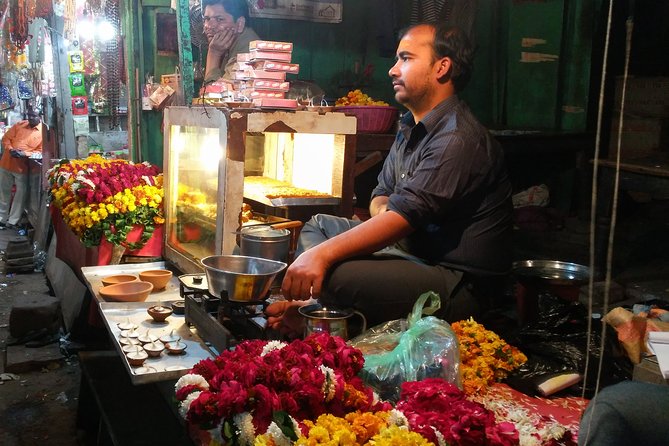
You may also get a chance to experience local food in a simple way. One review specifically mentioned an original Indian breakfast on the street. That’s the kind of detail that makes a walking tour worth the money, because it connects history to what people are actually eating and doing right now.
Markets, Architecture, and Train-Station Reality Checks
Even when the itinerary lists only a few numbered stops, the rest of the value lives in the route between them. You’ll move through lanes where shop signs, building styles, and daily habits sit side by side.
If you care about architecture, this is where it clicks. You’ll hear explanations about building development over time and how the old city layout shapes movement. And if you care about daily life, you’ll notice how people use the streets: where they stop, where they wait, how the flow changes near religious sites and transport hubs.
This is also why the eco rickshaw ride matters. You start by getting close without noise or stress, then you transition to the human scale of walking.
Price and Value: What $100 Gets You in Real Terms
The price is $100 per person, and it’s not just paying for walking. You’re paying for several concrete parts:
- Professional guide service (Arif)
- Hotel pickup and drop-off
- Bottled water
- Mobile ticket
- Admission ticket included at Agra Fort Railway Station
- A private format for your group (not mixing into strangers)
So the value isn’t only the landmarks. It’s the guided interpretation of how old Agra works—plus the convenience of pickup and a fixed route that keeps you from spending your morning guessing.
If you’re traveling with a partner and you can use group discounts, the per-person value improves. And since the tour is only about three hours, it also fits well into an Agra schedule where you’ll likely want time for the bigger sights too.
Timing and Physical Pacing: Plan Like a Local
The experience runs roughly 2 hours 30 minutes to 3 hours, and it’s designed for early morning walking.
The physical requirement is listed as moderate fitness. Translation: you’ll be walking and navigating lanes, so it’s not a sit-and-watch tour. You don’t need to be an athlete, but you should be comfortable on your feet for the full duration.
One more practical tip: start hydrating early. Bottled water is included, but you’ll still feel better if you drink before pickup and keep a steady pace.
Dress Code and What to Bring (So You Can Relax)
The tour’s dress code is clear: cover your knees and shoulders for the mosque and temple visits. I strongly recommend wearing light, breathable fabric in the style that covers easily, not something you’ll constantly adjust.
Bring the basics:
- Comfortable walking shoes
- A light layer for mornings that can feel cooler
- Sunglasses and sun protection if the day warms up fast
Since the tour includes bottled water, you don’t need to bring much for thirst, but a small personal bag is still useful for your essentials.
Who This Walk Is Best For
This tour suits you if you want old Agra to feel human. You’ll probably love it if you like:
- Street-level history and city logic
- Walking through neighborhoods instead of only standing in monument crowds
- Getting context from a guide who explains how places developed
It’s also a good option for couples and small groups who want a shared experience without a big, chaotic crowd. The private format makes a difference when you want to ask questions and move at a comfortable pace.
If you hate walking early in the morning, or if you’re looking for a heavy focus on major monuments only, you might feel the length is too short and the focus too street-based.
Should You Book This Agra City Cultural Walk?
Yes, you should book this walk if you want a smart start to your Agra day. The combination of early morning timing, a guided route through religious and everyday spaces, and Arif’s ability to explain how the city developed makes it feel like more than a simple stroll.
Book it especially if you’re the type who enjoys understanding how cities function: markets, transport hubs, and places of worship living inside the same streets. You’ll leave with a better sense of old Agra as a lived-in place, not just a list of sights.
FAQ
What is the duration of the Agra City Cultural Walk?
It lasts about 2 hours 30 minutes to 3 hours.
How much does the tour cost?
The price is $100.00 per person.
Does the tour include hotel pickup and drop-off?
Yes. Hotel pickup and drop-off are included.
What sites do you visit during the walk?
You stop at Agra Fort Railway Station, Shri Mankameshwar Mandir, and Jama Masjid.
Are entrance tickets included?
An admission ticket is included for Agra Fort Railway Station. Admission for the mandir and Jama Masjid is listed as free.
Do I need to dress in a specific way?
Yes. You should wear clothes that cover your knees and shoulders, since the tour includes a mosque and a temple.
Is the tour private?
Yes. It’s listed as private, meaning only your group participates.
Is there a fitness requirement?
The tour notes moderate physical fitness is recommended.
What happens if the weather is bad?
The experience requires good weather. If it’s canceled due to poor weather, you’ll be offered a different date or a full refund.
Can I cancel for a full refund?
Yes. You can cancel up to 24 hours in advance for a full refund.
More Tour Reviews in Agra
- Agra: Skip-the-Line Taj Mahal & Agra Fort Private Tour
★ 4.9 · 1,546 reviews - Agra: Taj Mahal Express Entry Tickets
★ 4.8 · 684 reviews - Agra: Taj Mahal and Mausoleum Guided Tour with Skip-the-Line
★ 4.8 · 631 reviews - Agra: Taj Mahal & Mausoleum Skip-the-Line Tour with Options
★ 4.9 · 456 reviews - Private Guided Tour of Agra
★ 5.0 · 420 reviews
Agra City, In Full
- Private Guided Tour of Agra
★ 5.0 · 420 reviews - Taj Mahal, Agra Fort, Baby Taj & Mehtab Bagh Private City Tour
★ 5.0 · 391 reviews - Agra : Private Sunrise Taj Mahal & Agra City Tour
★ 5.0 · 367 reviews - Private Agra Local Sightseeing Tour
★ 5.0 · 199 reviews - All-Inclusive Private Sunrise Taj Mahal & Agra City Tour
★ 5.0 · 139 reviews
Old Agra on Foot
- Agra Walking Tour
★ 5.0 · 109 reviews - Agra: Street Food Walking Tour, Spice Market, & Tuk-tuk Ride
★ 4.9 · 102 reviews - Agra 101 City Walk
★ 5.0 · 41 reviews - Flavours of Agra Food walk
★ 5.0 · 25 reviews - Agra: Sadar Bazar Food Market Night Walking Tour by Tuk-Tuk
★ 4.9 · 25 reviews
Just Reviewed: The Latest Agra Tours








Agra City Sightseeing Tours, compared.
 ★ 5.0Private Guided Tour of AgraFrom $39420 reviews
 ★ 5.0Taj Mahal, Agra Fort, Baby Taj & Mehtab Bagh Private City TourFrom $24391 reviews
 ★ 5.0Private Sunrise Taj Mahal & Agra City TourFrom $180367 reviews
 ★ 5.0Private Agra Local Sightseeing TourFrom $48199 reviews
 ★ 5.0All-Inclusive Private Sunrise Taj Mahal & Agra City TourFrom $133139 reviews
 ★ 5.0Private Full-Day Sunrise Taj Mahal and Agra City TourFrom $2648 reviews
 ★ 5.0Agra 101 City WalkFrom $4141 reviews
 ★ 5.0Private Agra Local Sightseeing Tour by Car and DriverFrom $1132 reviews
Browse the lists this tour appears in