
Reviewed · AGRA HERITAGE & OLD CITY WALKS
Agra: Street Food Walking Tour, Spice Market, & Tuk-tuk Ride
Old Agra runs on tea, spices, and shortcuts. This tour strings together street-food tastings and tuk-tuk rides so you can move beyond the main tourist area and into the lanes where locals actually shop. I especially like the guided stops that connect the sights—Jama Masjid and Mankameshwar Temple—with what’s happening in the markets, and I love that you sample real favorites like samosa, dhosa, aloo tikki, pani tikki, and sweets.
One catch: you should expect about 90 minutes of walking in tighter lanes, so plan for it and wear comfortable shoes. It may also be a poor fit if you’re pregnant or dealing with a pre-existing medical condition.
In This Review
- Key things you’ll notice on this tour
- Why old Agra feels different from the Taj area
- Tuk-tuk pickup, traffic, and the 2–3 hour rhythm
- Kinari Bazaar: jewelry, textiles, and learning the lane system
- Jama Masjid and Mankameshwar Temple on the same walking loop
- Jama Masjid stop: Mughal architecture and photo moments
- Mankameshwar Temple stop: Lord Shiva worship in the old city
- Dress code matters (and it’s easy to follow)
- Rawatpara spice market: the smells explain the city
- Seth Gali street food: what you might actually end up eating
- Tea stops and how to use them as a pacing tool
- Shopping for crafts: where education can turn into pressure
- Price and value: why $14 can be a solid deal
- Timing and comfort: what to bring and what to skip
- Who should book this (and who should pass)
- Guides matter here: Farman and Amir as the day’s “glue”
- Should you book this Agra street food and tuk-tuk tour?
- FAQ
- How long is the Agra street food walking tour?
- What does the $14 price include?
- Are monument entrance tickets included?
- What should I wear for the mosque and temple stops?
- Do I get pickup from my hotel?
- Can I bring alcohol or drinks?
Key things you’ll notice on this tour
- Guides like Farman and Amir help you read the city fast and keep you safe in Agra traffic.
- Jama Masjid + Mankameshwar Temple give a quick, meaningful contrast of places of worship you can visit on foot.
- Kinari Bazaar and Seth Gali focus on the everyday shopping side of Agra—jewelry, textiles, and snack stalls.
- Rawatpara spice market turns your senses on with colors and smells tied to local ingredients.
- Hotel pickup and drop-off by tuk-tuk makes this easy to fit around your Taj Mahal time.
- You can choose food-included options, but you should know drinks are not included.
Deeper into the old lanes of Agra
Why old Agra feels different from the Taj area
Agra has a clear split: the world-famous monuments pull a lot of attention, but the rest of the city runs on markets, faith, and food. This tour is built for that second side. You’ll get taken through places that feel like a daily routine, not a staged attraction.
I also like that the sights aren’t just “look and go.” The route links temple and mosque visits with nearby streets that sell textiles, jewelry, and spices. That pacing helps you understand why old Agra works the way it does—people, commerce, and community all overlap.
Tuk-tuk pickup, traffic, and the 2–3 hour rhythm
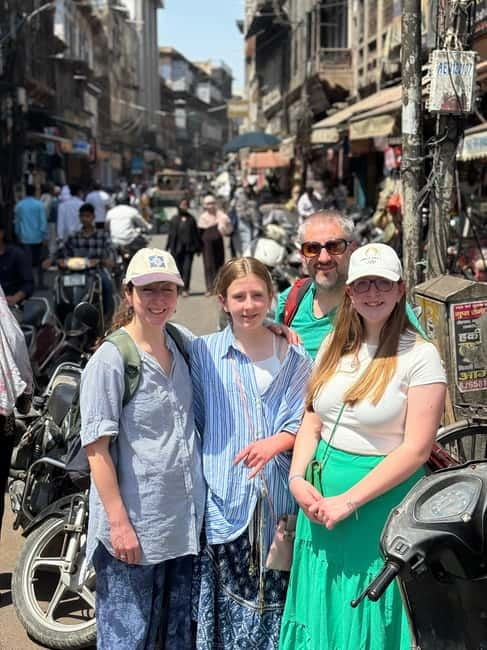
You start with pickup from your hotel or another agreed location in Agra. Then it’s short driving legs—around 15 minutes at a time—followed by guided walking stretches. One guide detail that matters: there’s about 90 minutes of actual walking, so even though it’s a tuk-tuk tour, you should treat it like a light stroll day.
Agra traffic can feel intense. The guides on this tour typically manage that by keeping you close, timing crosswalks, and choosing safe moments to move. In the reviews, people mention feeling protected in traffic, and that’s a big deal if you’re nervous about moving around a fast, chaotic city.
The suggested start times make sense too. In winter, it’s generally 2 p.m. to 4 p.m.; in summer, 4 p.m. to 6 p.m. You’ll have better light for photos and more comfortable temperatures for walking.
Kinari Bazaar: jewelry, textiles, and learning the lane system
Kinari Bazaar is where the tour starts shaping your sense of place. This is the kind of market where you can see traditional craftsmanship in action—jewelry, textiles, and handicrafts packed into small storefronts.
Even if you’re not a heavy shopper, I think this stop is worth it because it trains your eyes. You learn how to move through the maze: where lanes open up, how vendors cluster, and how the market layout changes from one street to the next. If you’ve only seen Agra from major monuments, this is the fast route to “I get it now.”
A practical tip: wear clothes you’re comfortable in for browsing, because you’ll have chances to look and shop. The tour includes walking and shopping time, and it’s not about rushing you through a checklist.
Jama Masjid and Mankameshwar Temple on the same walking loop
This is one of the more memorable parts of the tour because it connects architecture, faith, and neighborhood life in a short span of time.
More of Agra from the back of a tuk-tuk
- Tajmahal Full day Tour by tuk tuk★ 5.0 · 357 reviews
- Tuk Tuk Tour of Taj Mahal With Experienced Driver★ 5.0 · 47 reviews
- Skip the Line: Half Day Sunrise Tour of Taj Mahal by TUK TUK★ 5.0 · 45 reviews
- Taj Mahal by Tuk Tuk : A Local-Style Adventure★ 5.0 · 39 reviews
- Full Day Agra Tuk Tuk Tour with Taj Mahal and Agra Fort★ 5.0 · 33 reviews
Jama Masjid stop: Mughal architecture and photo moments
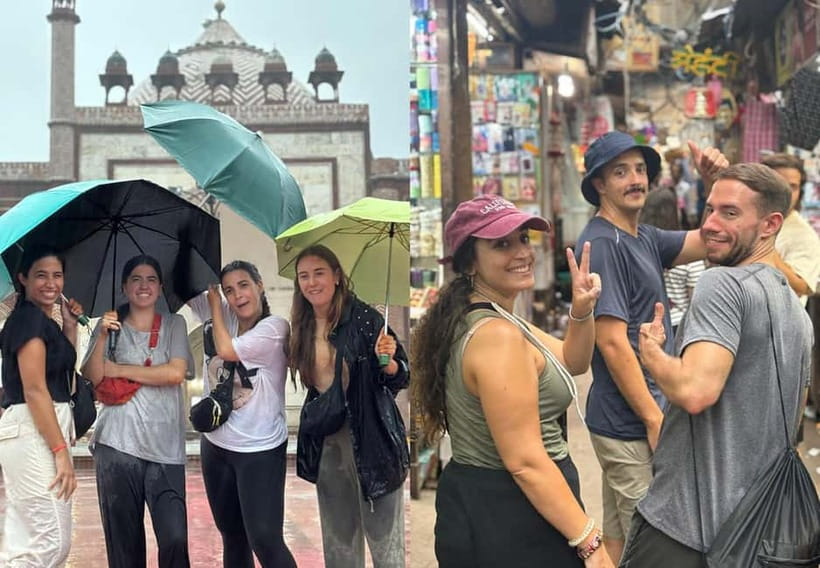
You’ll stop at Jama Masjid for photos and guided visiting. The focus is Mughal architecture and guided context, so you know what you’re looking at rather than just passing by. If you like history you can see with your own eyes, this is a strong anchor for the tour.
Mankameshwar Temple stop: Lord Shiva worship in the old city
After the mosque, you walk to Shri Mankameshwar Mandir. This temple is dedicated to Lord Shiva, and it adds another layer to the day. You’re not only switching locations—you’re experiencing how devotion shows up in everyday streets nearby.
Dress code matters (and it’s easy to follow)
You’ll visit both a mosque and a temple, so you’ll want to cover your knees and shoulders. This isn’t just etiquette; it keeps your experience smoother. Comfortable clothes that meet that rule are the difference between feeling relaxed and constantly adjusting.
Rawatpara spice market: the smells explain the city
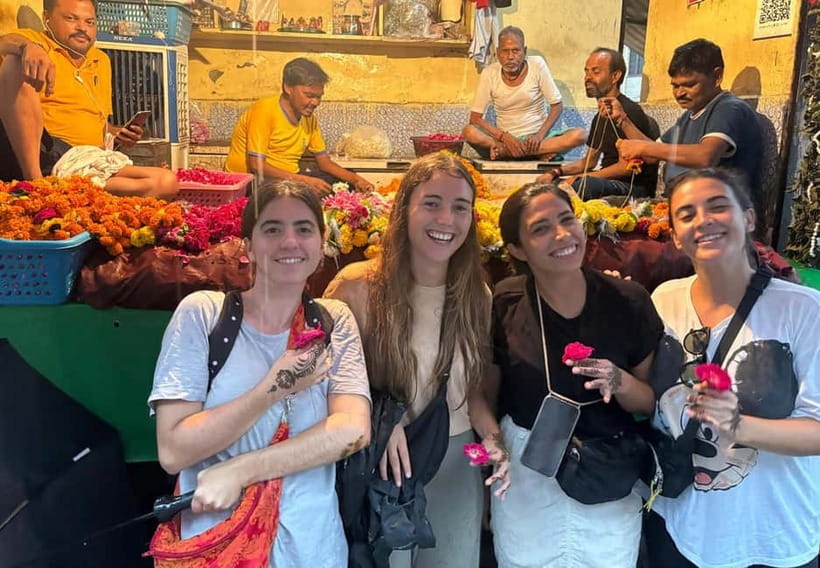
Rawatpara Road is where the tour shifts from shopping for objects to shopping for ingredients. The spice market is designed for a sensory lesson: colors, aromas, and stalls that sell spices tied to local cooking.
This stop works well because it doesn’t feel abstract. Instead of a generic “spices are important” speech, the guide helps you notice what you’re seeing and smelling in the real marketplace. It’s the kind of moment where you start understanding why certain street foods taste the way they do.
You’ll also get guided time that includes a tea break and local snack sampling nearby, so you’re not just walking past stalls—you’re pausing long enough to taste what the market sells.
Seth Gali street food: what you might actually end up eating
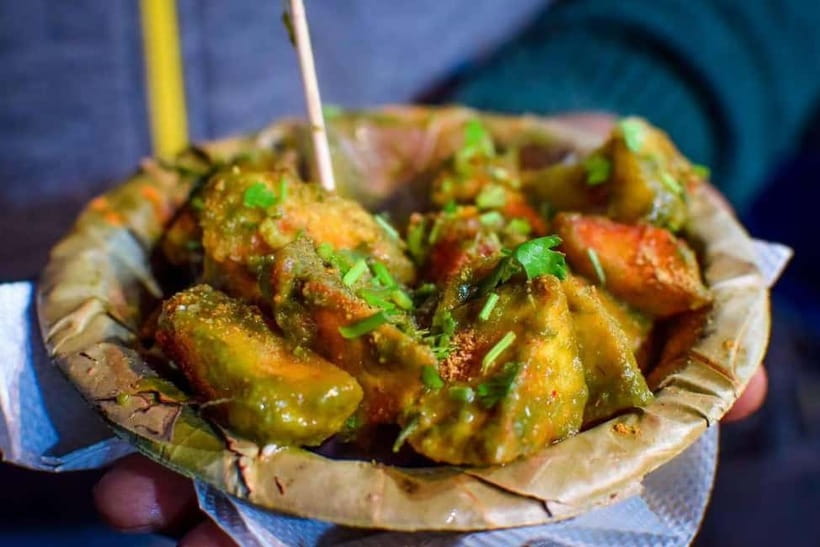
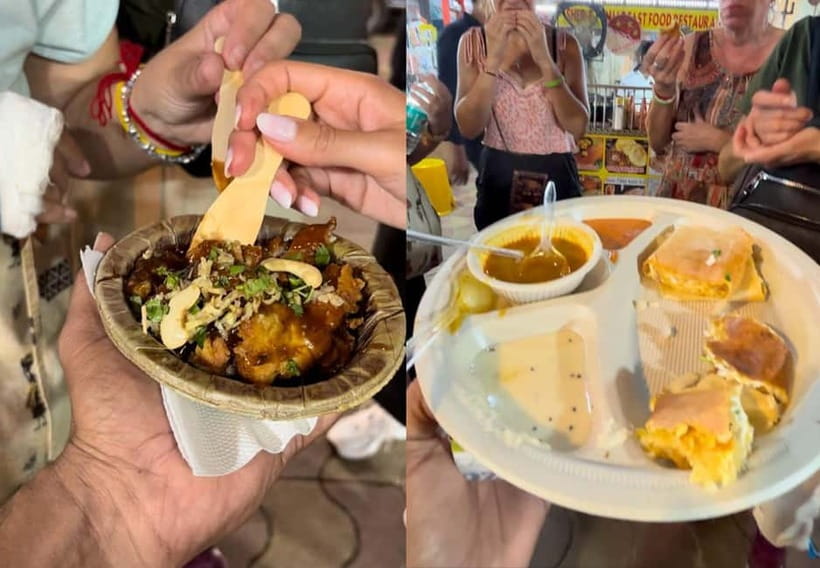
Seth Gali is where this tour earns its name. This is the street-food leg of the route, with guided visits and food tastings that focus on well-known Agra picks.
You should expect samples of classics such as:
- samosa
- dhosa or chole bhature (depending on what’s available)
- aloo tikki
- pani tikki
- sweets
If you choose the option with snacks and sweets included, you’ll get multiple bites across stops. And even when you only take a small sampling, the goal is variety—enough to feel like you ate a proper evening meal’s worth of different flavors.
One small caution: this isn’t a sit-down restaurant dinner. You’ll be eating street-side, which means you’ll want to keep expectations realistic. Bring an adventurous mindset, not a picky appetite.
Also note: drinks aren’t included, so if you want bottled water or other beverages, you’ll need to plan for that separately.
Tea stops and how to use them as a pacing tool
Between markets, you’ll have pauses for tea, including masala tea served in a clay pot. I like these stops because they reset your energy. After walking tight lanes and sampling flavors, you need a moment where your senses aren’t being hit every minute.
The guides also use these pauses to keep the group together. In busy markets, that matters. You don’t want to get separated while vendors are calling out and streets narrow.
Shopping for crafts: where education can turn into pressure
This tour often includes time in shops connected to crafts. Sometimes that feels genuinely educational—seeing how items are made, learning what materials are used, and getting the story behind a product. That’s a fair part of the cultural experience.
But there’s a second side too: some craft stops can become sales-heavy. One important pattern that shows up is the “you’ll feel bad if you don’t buy” style of pitch. It doesn’t mean you’ll get tricked, but it does mean you should go in with clear boundaries.
My advice: decide in advance what you’re willing to buy, and what you’re not. If you’re not shopping, tell the guide you’d rather just look. Most guides can work with that as long as you’re polite and firm.
If you do want souvenirs, this is a good place to shop because you’ll have time and local context. Just don’t let the process change your mood.
Price and value: why $14 can be a solid deal
At around $14 per person for a 2–3 hour tour, the value is mostly in three buckets: access, guidance, and variety of experiences.
First, you’re paying for guided navigation through old Agra. Without help, it’s easy to feel lost in market lanes—and that’s before traffic risks even enter the picture.
Second, you get a private local guide and tuk-tuk transfers. That combination is what makes the route efficient: you can cover multiple districts and still spend time walking at a comfortable pace.
Third, the food component (if selected) is the practical payoff. Street-food sampling across several dishes usually costs far more than you’d spend on individual snacks if you were trying to recreate the same mix on your own.
Two cost-related notes to keep your expectations straight:
- Monument entrance tickets are not included.
- Drinks are not included.
So if you want to treat this as a full evening out, plan for water and optional extras.
Timing and comfort: what to bring and what to skip
This tour is designed around evening-friendly start times, which helps with temperature and light for photos. In winter, aim for 2 p.m.–4 p.m.; in summer, aim for 4 p.m.–6 p.m.
Bring:
- comfortable shoes (walking is a real part of the day)
- comfortable clothes that cover knees and shoulders
Skip:
- any mindset that requires a quiet, slow-moving museum pace. This is a street tour, so expect motion, calls from vendors, and close quarters.
And because religious sites are part of the route, treat dress code seriously. It’s one of the quickest ways to keep the day smooth.
Who should book this (and who should pass)
This tour is a great fit if you want Agra beyond the postcard loop. If you like street food, markets, and quick cultural context you can walk to, you’ll probably enjoy the pace.
It also tends to work well for people who want a guide for practical reasons: navigating old lanes, managing traffic movement, and knowing where to pause for tastings.
On the other hand, it’s not suitable for pregnant women or anyone with pre-existing medical conditions. If that describes you, look for an alternate tour with less walking and gentler movement.
Guides matter here: Farman and Amir as the day’s “glue”
One reason this tour earns such strong satisfaction is the guide quality. Names you’ll see again and again include Farmaan and Amir. People mention that the guides handle safety in traffic, explain what you’re seeing, and keep the day flowing without feeling rushed.
For language, English and Spanish are available. If you speak one of those, you’ll get more out of the route because the guide can translate both the history and the food logic—why certain dishes show up in certain places.
Should you book this Agra street food and tuk-tuk tour?
If you’re in Agra for only a short time and you already plan to do the big monument, I think this is a smart pairing. It gives you the food-and-markets side that most people miss when they focus only on major sights.
Book it if:
- you want to taste several classic snacks rather than hunt them down alone
- you like guided walking through real neighborhoods
- you’re okay with a street setting and a bit of shopping
Consider passing if:
- you dislike street food environments
- you want a fully relaxed, low-walking evening
- you prefer attractions only with modern, controlled layouts
Overall, for the money, this is one of the more practical ways to understand old Agra fast—through markets, temples, and the flavors you can’t see from afar.
FAQ
How long is the Agra street food walking tour?
The tour lasts about 2 to 3 hours.
What does the $14 price include?
It includes hotel pickup and drop-off, a private local tour guide, tuk-tuk transfer, and street food snacks and sweets if you select the option that includes food.
Are monument entrance tickets included?
No. Monument entrance tickets are not included.
What should I wear for the mosque and temple stops?
Wear clothes that cover your knees and shoulders.
Do I get pickup from my hotel?
Yes. Pickup is offered from hotels, railway stations, or any desired location in Agra.
Can I bring alcohol or drinks?
Alcohol and drugs are not allowed. Drinks are not included on the tour.
Eat Your Way Around Agra
- Agra Cooking Classes (Pick up and Drop available)
★ 5.0 · 34 reviews - Flavours of Agra Food walk
★ 5.0 · 25 reviews - Agra: Sadar Bazar Food Market Night Walking Tour by Tuk-Tuk
★ 4.9 · 25 reviews - Agra: Street Food Tour with Spice Market on Tuk-Tuk Ride
★ 4.7 · 23 reviews - Agra: Indian Food Private Cooking Class
★ 4.6 · 21 reviews
More Tuk-Tuk Rides Around Agra
- Tajmahal Full day Tour by tuk tuk
★ 5.0 · 357 reviews - Tuk Tuk Tour of Taj Mahal With Experienced Driver
★ 5.0 · 47 reviews - Skip the Line: Half Day Sunrise Tour of Taj Mahal by TUK TUK
★ 5.0 · 45 reviews - Taj Mahal by Tuk Tuk : A Local-Style Adventure
★ 5.0 · 39 reviews - Full Day Agra Tuk Tuk Tour with Taj Mahal and Agra Fort
★ 5.0 · 33 reviews
Old Agra on Foot
- Agra Walking Tour
★ 5.0 · 109 reviews - Agra 101 City Walk
★ 5.0 · 41 reviews - Flavours of Agra Food walk
★ 5.0 · 25 reviews - Agra: Sadar Bazar Food Market Night Walking Tour by Tuk-Tuk
★ 4.9 · 25 reviews - Agra Fort: Guided UNESCO Heritage Walking Tour
★ 4.9 · 21 reviews
Just Reviewed: The Latest Agra Tours








Agra Heritage & Old City Walks, compared.
 ★ 5.0Agra Walking TourFrom $11109 reviews
 ★ 5.0Agra 101 City WalkFrom $4141 reviews
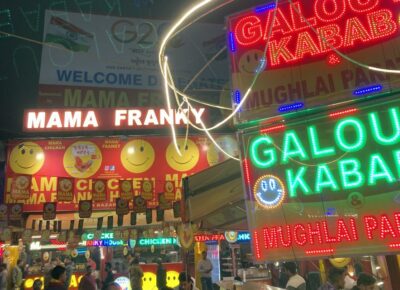 ★ 4.9Sadar Bazar Food Market Night Walking Tour by Tuk-TukFrom $825 reviews
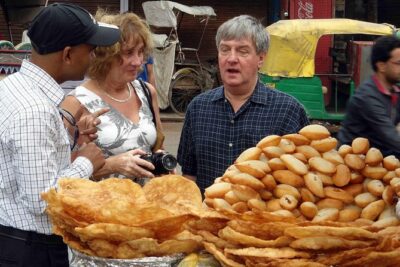 ★ 5.0Flavours of Agra Food walkFrom $4825 reviews
 ★ 4.9Agra Fort: Guided UNESCO Heritage Walking TourFrom $621 reviews
 ★ 5.0Agra Old City Walking Tour, Private Heritage walking Guided TourFrom $2520 reviews
 ★ 5.0Street Food and Walk Tour with Spice Market by Tuk-TukFrom $1518 reviews
 ★ 5.0Agra Full-day Tour Taj Mahal, Agra Fort & Secret Walking Tour with Private CarFrom $1817 reviews
Browse the lists this tour appears in