
Reviewed · AGRA HERITAGE & OLD CITY WALKS
Agra Walking Tour
A walk through Agra without the tourist script. This Agra Walking Tour is a quick, smart way to see big-city landmarks like Jama Masjid and then shift into local lanes and markets. I like how it mixes major sights with everyday places, and I also like that the tour is built around local food and shopping stops rather than just photo points. One thing to watch: the timing is tight, so if you want extra time at entrances or deeper explanations, you may need to ask your guide on the spot.
The best part for me is the feeling of being guided through real neighborhoods, not just staged views. You’ll get an English-speaking local guide, plus transportation to help you connect between stops without wasting hours in transit. Guides such as Amit and Ritik have led this route with lots of energy and good chat, which makes the whole walk move faster and feel safer. Still, I’d treat the 2 to 3 hour label as a realistic target, not a promise—if your group runs short, it can feel a bit rushed.
You’ll also want to keep expectations practical. This is a walking tour, but it’s not slow strolling through parks. It’s more like getting your bearings fast, then moving through busy streets to places you might not find on your own.
In This Review
- Key highlights and what they mean for you
- Getting past Taj Mahal traffic: what this walk is really for
- Jama Masjid Agra: a big mosque stop you can handle in short time
- Shri Mankameshwar Mandir: the 650-year-old stories break up the pace
- Agra Fort Railway Station: the surprise stop that feels truly different
- Kinari Bazar and Subash Bazar: old markets, real street rhythm
- Kinari Bazar (about 400 years old)
- Subash Bazar: Indian wear wholesale energy
- Pethe Wale Johri Bazar: the white pumpkin sweet stop
- Timing, transport, and how to avoid a rushed experience
- Price and value: why $11 can work well here
- Who this suits best, and who should skip it
- What to bring (and what to plan for on local streets)
- Should you book this Agra Walking Tour with Trocals?
- FAQ
- Is this a private tour?
- How long is the Agra walking tour?
- What does the tour include?
- Is pickup offered?
- Where does the tour start and end?
- What are the admission costs at the stops?
- Do I need good weather?
- Can I cancel and get a refund?
Key highlights and what they mean for you
- Jama Masjid early start energy: a massive mosque stop with free entry and quick context.
- Shri Mankameshwar Mandir (650 years old): a temple visit that’s short but story-focused.
- Agra Fort Railway Station: an unusual stop that swaps forts-and-palaces for rail-era architecture.
- Old markets you can actually navigate: Kinari Bazar and Subash Bazar are designed for seeing how locals shop.
- Pethe tasting stop: a focused sweet stop for white pumpkin pethe at Johri Bazar.
- Private tour comfort: only your group, so you can ask questions without competing with other people.
Deeper into the old lanes of Agra
Getting past Taj Mahal traffic: what this walk is really for
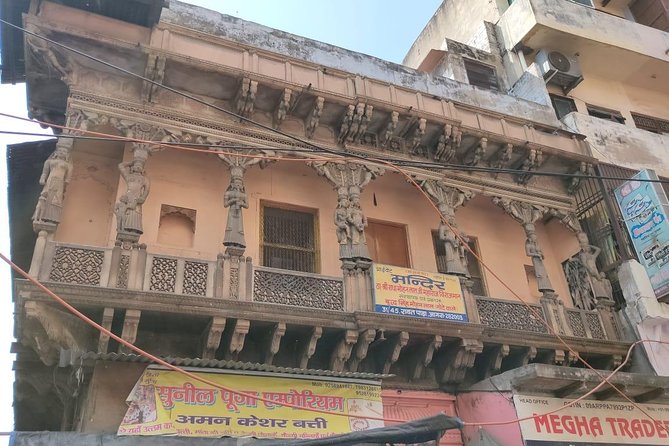
Agra can feel like a one-sight city if you only chase the obvious. This tour is built to do the opposite. You start with a major landmark, then you peel away from the postcard route and move into neighborhoods where the streets feel more lived-in.
That shift matters. Big monuments are impressive, but they can also be exhausting because they’re crowded and heavy on waiting. Here, the flow is more human: you see grand architecture, then you see how people buy clothes, sweets, and daily necessities. If you like travel that feels like you’re learning how a city works, this is a strong match.
Jama Masjid Agra: a big mosque stop you can handle in short time
Your first major stop is Jama Masjid. The visit window is about 20 minutes, and the entry is listed as free. That means you’re not stuck for hours, but you still get the moment of scale: this is one of the largest mosques in the city.
Practical tip: even with a short visit, mosques can be a little strict about clothing and behavior. Plan to dress modestly and keep your camera use respectful. If you’re unsure, ask your guide right away—some guides are quick about explaining what to do at entrances and where to stand.
The drawback of a fast stop is also obvious. If you love details, you might wish you had more time inside than the allotted window. A good move is to arrive ready with one or two questions, like what to notice first, or what makes this mosque stand out in Agra.
Shri Mankameshwar Mandir: the 650-year-old stories break up the pace
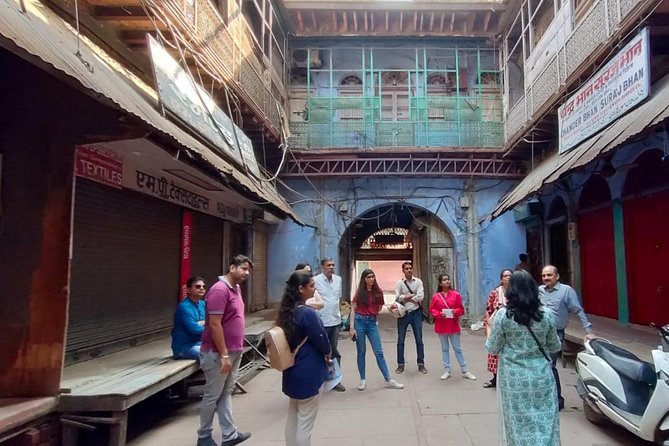
Next comes Shri Mankameshwar Mandir, described as a temple about 650 years old. Again, the time is about 20 minutes, and entry is listed as free. This is the kind of stop that works well mid-walk because it breaks the market noise with something calmer and more reflective—at least compared to street-level shopping.
What I like about this stop is the focus on stories. You’re not just ticking off another religious building; you’re getting guided interpretation, which is what turns a short temple visit into something you remember later.
Potential consideration: if your focus is only on architecture photos, the stop may feel too brief. But if you care about meaning—why people come, what’s happening inside, and what’s special about it—this slot usually lands well.
Agra Fort Railway Station: the surprise stop that feels truly different
This is the stop that tends to win people over. You visit Agra Fort Railway Station, framed as the oldest railway station in the city. It’s said to have British-era architecture and lots of stories connected to it.
Why it’s valuable: most Agra tours focus on palaces and monuments. A railway station changes the vibe. It’s movement, daily life, and layers of history you don’t always notice from the usual tourist corridors.
The visit time is about 20 minutes, and admission is listed as included. That helps you keep the schedule together without extra decision-making.
A practical note: stations can be loud and crowded, so keep your belongings secure and expect more foot traffic than at the religious stops. If your guide is energetic—like Amit-style energy mentioned in past experiences—this part can feel fun rather than chaotic.
- Agra: Skip-the-Line Taj Mahal & Agra Fort Private Tour★ 4.9 · 1,546 reviews
- Agra: Taj Mahal Express Entry Tickets★ 4.8 · 684 reviews
- Agra: Taj Mahal and Mausoleum Guided Tour with Skip-the-Line★ 4.8 · 631 reviews
- Agra: Taj Mahal & Mausoleum Skip-the-Line Tour with Options★ 4.9 · 456 reviews
- Private Guided Tour of Agra★ 5.0 · 420 reviews
Kinari Bazar and Subash Bazar: old markets, real street rhythm
After the structured sights, you move into markets. The tour includes Kinari Bazar, described as about 400 years old, and later Subash Bazar, described as a wholesale market for Indian wear.
Here’s what makes this useful for you: markets are where Agra shows its daily priorities. You see cloth, clothing, and how shoppers actually move through the space. There’s less pressure to perform for visitors and more of a rhythm you can watch and learn from.
Kinari Bazar (about 400 years old)
Kinari Bazar is framed as an old market where time feels different. With about 20 minutes, you won’t do full shopping, but you’ll get enough to understand the character of the area. It’s a good stop for observing street commerce: how stall setups work, how people communicate while bargaining, and how the layout channels foot traffic.
One thing to keep in mind: old markets can be narrow and busy. Wear shoes that handle uneven streets and keep your phone secure. If you’re easily overwhelmed by crowds, treat this as a look-and-breathe segment, not a shopping mission.
Subash Bazar: Indian wear wholesale energy
Then it’s Subash Bazar, described as the place locals shop and a wholesale hub for Indian clothing. The vibe here can feel intense, especially if you’re used to quieter shopping environments. But that intensity is the point. It’s practical travel: you see the supply chain side of everyday life.
If you want to buy clothing, ask your guide what’s a fair approach for sizing and payment. If you don’t plan to buy, still go. You’ll learn a lot just by watching how bargaining and selection work.
Pethe Wale Johri Bazar: the white pumpkin sweet stop
You finish with Gopal Das Pethe Wale Johri Bazar, where you check out Agra’s famous sweet, pethe. The description points to pethe made from white pumpkin, and this stop is about 15 minutes with admission listed as included.
This is a smart inclusion because it’s short and clear. You’re not hunting for the right shop on your own. You’re also not stuck with a huge meal that slows the day. You get the taste and the story, then you move on.
What to expect: pethe is sweet and filling, so keep water handy and don’t plan to eat a heavy dessert right after. If you have a sweet tooth, great. If you don’t, consider it a cultural tasting you can share.
Timing, transport, and how to avoid a rushed experience
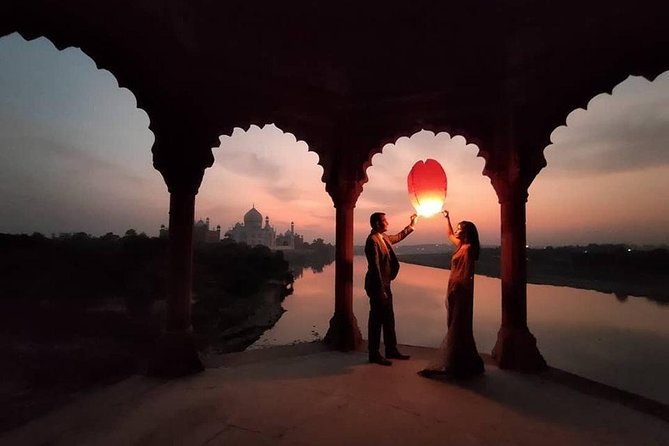
The tour is listed as about 2 to 3 hours. That’s not long, so your best strategy is to treat it like a curated highlight walk across several neighborhood types.
Transportation is provided, and the start is in the Jama Masjid area. In at least one past experience, the guide had the group hop on metro and use short tuk-tuk rides between segments. That’s a good sign: the tour isn’t trying to force every meter on foot if there’s a faster way.
Still, here’s the main consideration: because the schedule is compact, it can feel short if you slow down for photos, want extra time at entrances, or keep stopping to ask deeper questions. So I’d do this:
- Ask at the start what’s flexible and what’s not.
- If there’s something you want to see inside (like a specific entrance), mention it early.
- Wear comfortable shoes and assume you’ll be moving through busy pockets.
Also, confirm your expected start time and give yourself a little buffer. Some experiences have run late or compressed, and the fix is simple: stay patient, and keep the guide engaged with your priorities.
Price and value: why $11 can work well here
At around $11, this tour is positioned as strong value for three reasons.
First, you’re not just getting walking. You’re getting an English-speaking local guide plus transportation. Those two items alone often cost more than the ticket price in many cities.
Second, you get a mix of stops that usually don’t fit together on a DIY day: Jama Masjid, Shri Mankameshwar Mandir, Agra Fort Railway Station, two markets, and a pethe tasting. That variety is what turns the price into a bargain. You’re paying for someone to connect the dots.
Third, it’s a private tour, meaning only your group participates. For families, couples, and solo travelers who want conversations instead of crowd navigation, privacy is part of the value.
The tradeoff is that you’re paying for a short visit pattern. If you want long hours in just one place, you may feel the time is thin. But if you want breadth and local flavor in a single half-day window, this price makes sense.
Who this suits best, and who should skip it
This tour fits you best if you want:
- Off-the-beaten-path neighborhoods with real street life
- A guide who can explain what you’re seeing in plain terms
- A market-and-sweets day rather than an only-monuments day
- A manageable time commitment (2 to 3 hours)
It might not be ideal if you:
- Want long, slow museum-style visits at each site
- Hate crowds and narrow streets with lots of people nearby
- Plan to do serious shopping and need hours of browsing
What to bring (and what to plan for on local streets)
Because you’re moving through mosques and busy markets, bring the basics:
- Comfortable shoes for walking on uneven pavement
- Modest clothing for religious stops
- A small amount of cash for personal expenses (food is not included, but the listed sweet stop is part of the tour)
- Water, especially if you’re doing the walk during warm hours
One more practical point: because this activity runs 4:00 AM to 10:00 PM, you can end up in different light and crowd conditions depending on your time slot. Earlier can feel calmer; later can feel busier. If you’re sensitive to crowds, pick a time that matches your comfort level.
Should you book this Agra Walking Tour with Trocals?
Yes, I’d book it if your goal is to see Agra as a working city, not just a set of famous buildings. The route makes smart use of a short window: big mosque, a 650-year-old temple stop, a rare railway-station detour, then markets and a pethe tasting.
If you’re the kind of traveler who gets frustrated when tours feel too tight, be ready with questions and priorities. Keep it flexible, and use your guide to direct the time where you care most. Guides like Amit and Ritik are a good sign of how personal and energetic the experience can feel.
If your schedule is tight and you want maximum local texture per hour, this one is a solid bet. If you want slow pacing and lots of inside access, you might prefer a longer, more specialized tour.
FAQ
Is this a private tour?
Yes. It’s listed as a private tour/activity, meaning only your group participates.
How long is the Agra walking tour?
It runs about 2 to 3 hours.
What does the tour include?
It includes an English-speaking local guide and transportation will be provided. The pethe stop and certain site admissions are also listed as included.
Is pickup offered?
Yes. Pickup is offered.
Where does the tour start and end?
It starts at Jama Masjid Agra area and ends back at the meeting point.
What are the admission costs at the stops?
Jama Masjid and Shri Mankameshwar Mandir are listed as free. Admission for the Agra Fort Railway Station is listed as included, and admission for the Gopal Das Pethe Wale Johri Bazar stop is listed as included.
Do I need good weather?
Yes. This experience requires good weather, and if it’s canceled due to poor weather, you’ll be offered a different date or a full refund.
Can I cancel and get a refund?
Yes. You can cancel for free up to 24 hours in advance for a full refund.
More Tours in Agra
- Agra: Skip-the-Line Taj Mahal & Agra Fort Private Tour
★ 4.9 · 1,546 reviews - Agra: Taj Mahal and Mausoleum Guided Tour with Skip-the-Line
★ 4.8 · 631 reviews - Agra: Taj Mahal & Mausoleum Skip-the-Line Tour with Options
★ 4.9 · 456 reviews - Private Guided Tour of Agra
★ 5.0 · 420 reviews - Taj Mahal, Agra Fort, Baby Taj & Mehtab Bagh Private City Tour
★ 5.0 · 391 reviews
More Tour Reviews in Agra
- Agra: Skip-the-Line Taj Mahal & Agra Fort Private Tour
★ 4.9 · 1,546 reviews - Agra: Taj Mahal Express Entry Tickets
★ 4.8 · 684 reviews - Agra: Taj Mahal and Mausoleum Guided Tour with Skip-the-Line
★ 4.8 · 631 reviews - Agra: Taj Mahal & Mausoleum Skip-the-Line Tour with Options
★ 4.9 · 456 reviews - Private Guided Tour of Agra
★ 5.0 · 420 reviews
Old Agra on Foot
- Agra: Street Food Walking Tour, Spice Market, & Tuk-tuk Ride
★ 4.9 · 102 reviews - Agra 101 City Walk
★ 5.0 · 41 reviews - Flavours of Agra Food walk
★ 5.0 · 25 reviews - Agra: Sadar Bazar Food Market Night Walking Tour by Tuk-Tuk
★ 4.9 · 25 reviews - Agra Fort: Guided UNESCO Heritage Walking Tour
★ 4.9 · 21 reviews
Just Reviewed: The Latest Agra Tours








Agra Heritage & Old City Walks, compared.
 ★ 4.9Street Food Walking Tour, Spice Market, & Tuk-tuk RideFrom $14102 reviews
 ★ 5.0Agra 101 City WalkFrom $4141 reviews
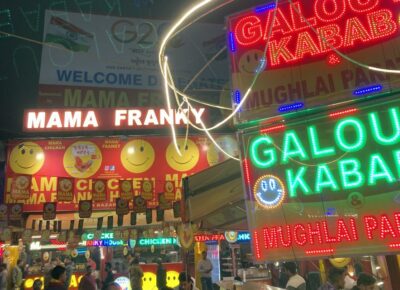 ★ 4.9Sadar Bazar Food Market Night Walking Tour by Tuk-TukFrom $825 reviews
 ★ 5.0Flavours of Agra Food walkFrom $4825 reviews
 ★ 4.9Agra Fort: Guided UNESCO Heritage Walking TourFrom $621 reviews
 ★ 5.0Agra Old City Walking Tour, Private Heritage walking Guided TourFrom $2520 reviews
 ★ 5.0Street Food and Walk Tour with Spice Market by Tuk-TukFrom $1518 reviews
 ★ 5.0Agra Full-day Tour Taj Mahal, Agra Fort & Secret Walking Tour with Private CarFrom $1817 reviews
Browse the lists this tour appears in