
Reviewed · AGRA CITY SIGHTSEEING TOURS
Agra Old City Walking Tour, Private Heritage walking Guided Tour
A short walk can feel like a history lesson. This private Agra Old City tour threads together big sights and daily life: the scale of Jama Masjid, an old Shiva temple, spice-and-sweet bazaars, and a riverside viewpoint for the Taj Mahal. I especially like how much you cover in just about 3 hours, and how the plan mixes religious landmarks with real shopping streets. One thing to consider: because it’s an active walking tour through markets, you’ll want good shoes and a little patience with crowds.
What makes this one practical is that transport and key entrances are handled for you. You get hotel pickup and drop-off by taxi or tuk-tuk, plus tea during the walk. Dress for temple visits too—your shoulders and knees should be covered—so pack light layers that work in Agra’s heat.
In This Review
- Key highlights that make this tour worth your time
- How the 3-hour private format actually helps you see more
- Jama Masjid: stepping into the scale of Agra’s Friday-prayer space
- Shri Mankameshwar Mandir: an older Shiva temple in the middle of the city
- Rawatpara road: spices, street food, and 100-year sweet shop culture
- Johari Bazar: from goldsmith craft to older street architecture
- Daresi wholesale market to the Yamuna: where your Taj Mahal view happens
- Agra Fort Railway Station: a British-style architecture contrast stop
- What to know before you go: shoes, clothing, and street-food comfort
- Who this Agra old city walk suits best
- Should you book this private old city tour?
- FAQ
- How long is the Agra Old City Walking Tour?
- Do I get hotel pickup and drop-off?
- Are entrance tickets included?
- Is tea included?
- What should I wear for the religious stops?
- What’s the cancellation policy?
Key highlights that make this tour worth your time
- Jama Masjid first: see the huge Friday-prayer hall and Mughal-era context from a guide’s walk-through
- Shri Mankameshwar Mandir: visit Agra’s oldest temple site dedicated to Lord Shiva
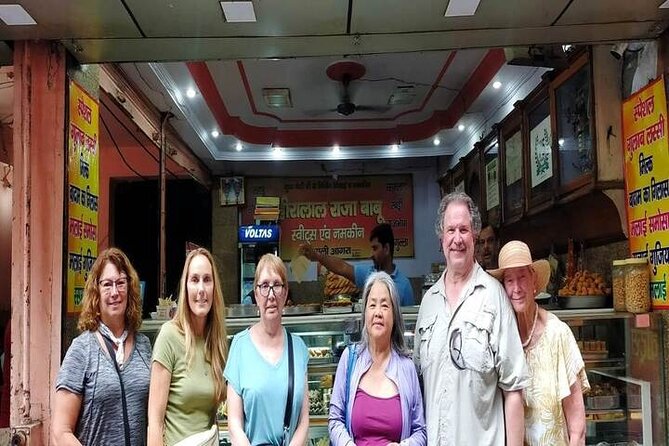
- Rawatpara + 100-year sweet shops: street-level flavor, especially for spices, sweets, and everyday browsing
- Johari Bazar: goldsmith lanes plus older building architecture, with a modern clothing market overlay
- Daresi wholesale market to the Yamuna: a sensory market stretch that leads into Taj Mahal views from across the river
- British-style Agra Fort Railway Station: quick architecture contrast before you head back
Deeper into the old lanes of Agra
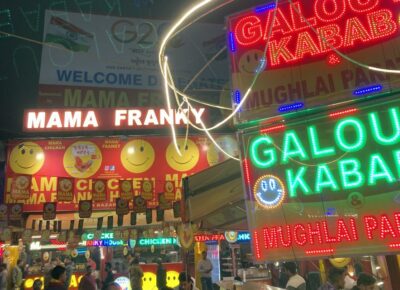
How the 3-hour private format actually helps you see more
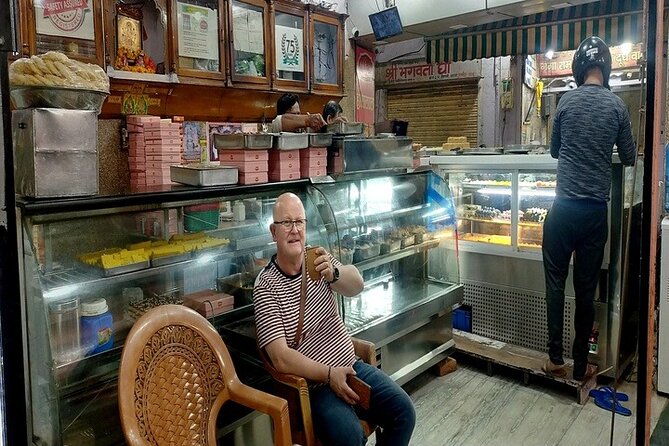
This is a private walking tour, so you’re not squeezed into a large group schedule. That matters in Agra old city lanes, where traffic, turns, and crowd density can change fast. The timing is listed at about 3 hours, but the tour duration is flexible, which is a nice cushion if you’re taking photos, want one extra stop for sweets, or need a quick breather.
Value is also strong for what’s included. You’re paying $25 per person, but the tour covers taxi/tuk-tuk transport, a professional guide, hotel pickup and drop-off, and entrance tickets. Even tea is included. When you add up what that would cost separately—guide time plus transport plus admissions—this feels aimed at getting you oriented quickly without nickel-and-diming you at every corner.
One more detail I like: this tour is built around “how people live” routes, not just postcard stops. You’ll walk through multiple market types—spice stalls, sweet shops, jewelry-gold areas, and wholesale lanes—so you get a sense of Agra beyond the Taj Mahal.
Jama Masjid: stepping into the scale of Agra’s Friday-prayer space
You start with Jama Masjid, one of the biggest mosques in India. The focus here isn’t just the building itself. Your visit is timed for the Friday-prayer hall, so you’ll see the space as it was designed to hold worshippers, not as a silent museum.
The tour also connects the mosque to its Mughal roots. It was built by Jahanara Begam, the daughter of Shah Jahan—so the guide has a clear story path: where Mughal power shows up in real architecture, and how a major mosque functions as both a spiritual and civic center.
Practical tip: expect a busy, active environment around a major mosque. That’s part of the point. Go at a calm pace, keep your phone and camera handy, and listen for the guide’s notes on what you’re seeing rather than only what you’re photographing. Also, temple and mosque clothing rules matter—keep shoulders and knees covered.
What’s the drawback? If you’re sensitive to crowds, the “big central religious site” factor can feel intense. The upside is that your guide can steer the timing and route so you don’t just push through; you actually understand what you’re passing.
Shri Mankameshwar Mandir: an older Shiva temple in the middle of the city
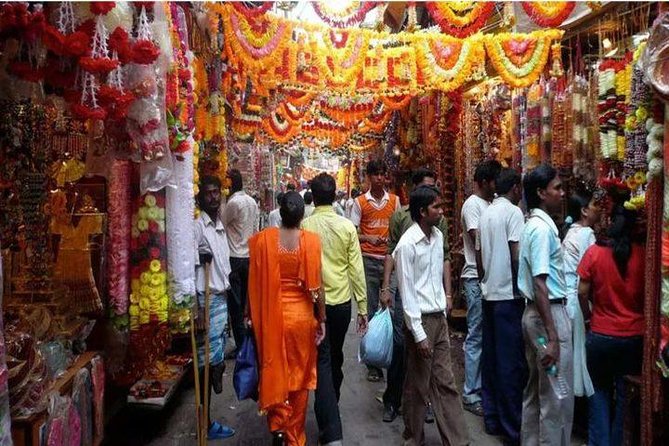
Next comes Shri Mankameshwar Mandir, described as the oldest temple in Agra city and dedicated to Lord Shiva. This stop is your reality check that Agra isn’t only Mughal-era marble and forts. It’s a living city with older religious roots right inside everyday streets.
You’ll see worship in action. The tour notes that many Hindu people pray here every day, which means your visit won’t feel staged. Instead, you get a sense of routine devotion—short prayers, quiet attention, and local believers working the temple into their day.
Why I think this works on the same tour as markets: it gives you a “spiritual map” of the city. You’re moving from a major mosque to an older Shiva temple, and the guide frames how religious spaces shape city layout and street life. It’s a useful contrast if you’ve only come for one landmark.
Small consideration: since it’s a temple visit, you’ll still want the shoulder-and-knee covered rule. If you’re trying to keep your outfit cool in warm weather, consider a light scarf for shoulders and a breathable layer for knees.
Rawatpara road: spices, street food, and 100-year sweet shop culture
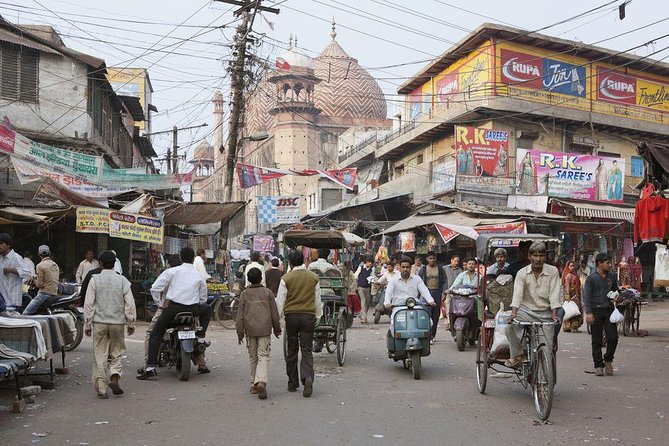
After the temples, the tour shifts into Rawat Para Road, one of Agra’s oldest market areas. The big theme here is food—and especially spices. You’ll get the feel of an old supply chain: how spices, daily ingredients, and local tastes connect in a single street.
Then you move into sweets and street food, with the tour highlighting 100-year-old sweet shops. That’s a powerful detail because it changes how you think about what you’re tasting. You’re not just buying something quick. You’re sampling sweets tied to long-running vendors and recipes that have survived changing neighborhoods and new tourist traffic.
Here’s the practical value: a market tour without direction can turn into random browsing. With a guide, the market becomes readable. You’ll know what you’re seeing—why one vendor specializes, what kinds of spices are common, and how sweet culture works in Agra.
Possible drawback: market lanes can be noisy and busy, and the pace is walking-speed, not sightseeing-bus speed. If you need frequent pauses for heat or fatigue, plan to slow down early and let the guide adjust. The tour duration is flexible, so you’re not stuck rushing.
See the whole of Agra in a day
- Private Guided Tour of Agra★ 5.0 · 420 reviews
- Taj Mahal, Agra Fort, Baby Taj & Mehtab Bagh Private City Tour★ 5.0 · 391 reviews
- Agra : Private Sunrise Taj Mahal & Agra City Tour★ 5.0 · 367 reviews
- Private Agra Local Sightseeing Tour★ 5.0 · 199 reviews
- All-Inclusive Private Sunrise Taj Mahal & Agra City Tour★ 5.0 · 139 reviews
Johari Bazar: from goldsmith craft to older street architecture
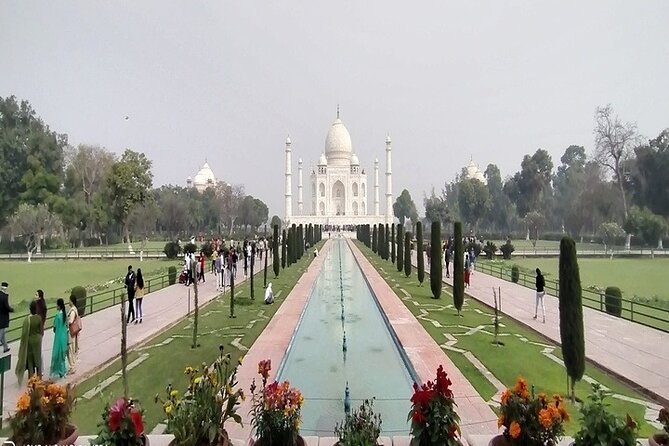
At Johari Bazar, you’re in the gold-and-craft zone. The tour notes that Johari Bazar is famous for goldsmith shops, and that it also now includes a clothing market. That blend is a big reason this stop feels authentic. It shows how a historically craft-heavy area can evolve without losing its identity.
You’ll also notice older buildings and street architecture. That’s important because markets in India aren’t only about products. They’re architectural patterns—shapes of lanes, front elevations, and how shopfronts relate to foot traffic. The guide helps you see those details rather than just walking past storefronts.
I also like that this stop doesn’t force you into one kind of shopping. You can be there for goldsmith craft, there for the architecture, there for the general buzz of market life, or there for quick photos of older façades.
One consideration: if you’re not interested in shopping, markets can feel like constant sales pressure. A good guide helps keep it comfortable. Based on how this tour is described, your guide is there to explain and guide rather than push you into buying.
Daresi wholesale market to the Yamuna: where your Taj Mahal view happens
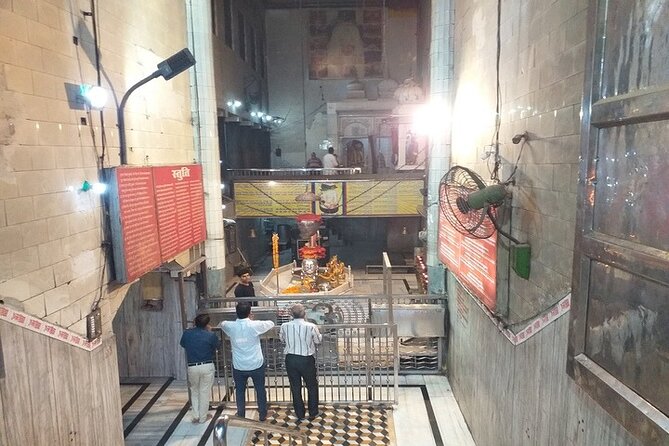
Daresi is where the tour gets more “real market” than “tourist market.” It’s described as the wholesale market of Agra city and more than 100 years old. Wholesale streets have a different energy. Instead of polite browsing, you see bulk movement, vendor-to-vendor interactions, and the practical rhythm that keeps daily life supplied.
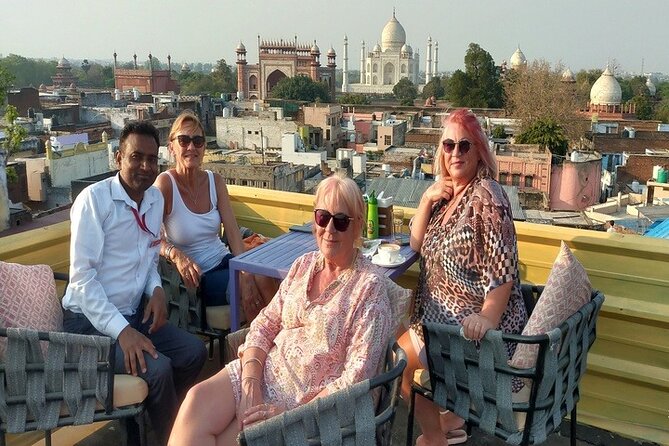
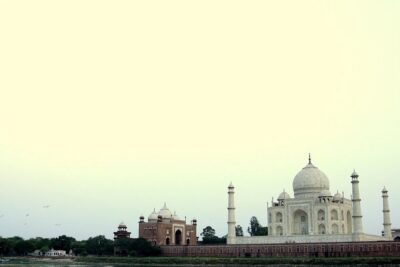
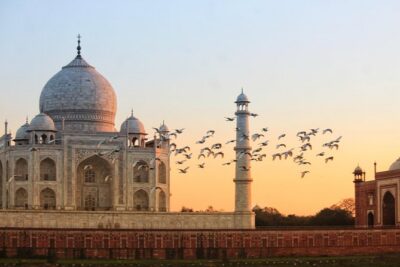
Then you walk along the Yamuna River side. This is where the tour earns its headline connection to the Taj Mahal. You’ll get an outside view of the Taj Mahal and Agra Fort from across the river—one of the tour’s stated highlights.
Why that matters: the Taj Mahal is often photographed from close, formal angles. From the river side across the Yamuna, the viewpoint changes how the monument sits in the city. It can feel less like a single object and more like a centerpiece that shaped the surrounding geography.
You might also notice monkeys around market and river edges—Agra has them, and your route passes through areas where they can show up. It’s part of the city’s lived environment, not a reason to cancel your plans.
Possible drawback: the riverside walk can mean more sun exposure and more airflow mixed with city movement. If you’re sensitive to heat, ask your guide for a slower pace and a quick water break.
Agra Fort Railway Station: a British-style architecture contrast stop
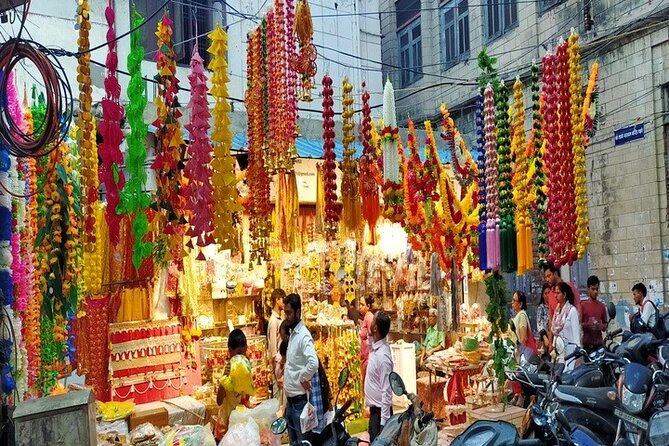
To close the experience, the tour stops near Agra Fort Railway Station. This is near Agra Fort, and the tour highlights that the station was built by the British and has British-style architecture. The point isn’t that this is the main attraction. It’s that it changes the mood and the visual story again.
After mosques, temples, and markets, the station gives you a different lens: colonial-era infrastructure and how it shaped movement. Stations are where cities compress—people, schedules, deliveries, and travel converge. Even if you don’t plan to ride the train, this kind of architecture stop helps you understand Agra as a transportation crossroads, not just a heritage destination.
Then you walk to your vehicle and head back for hotel drop-off by taxi or tuk-tuk.
What to know before you go: shoes, clothing, and street-food comfort
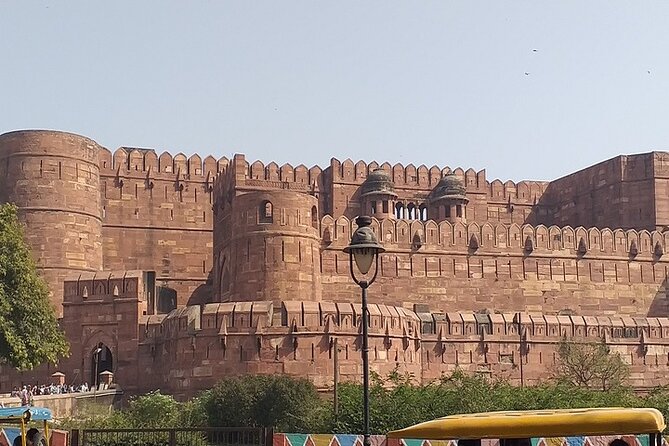
This tour is active and in crowded environments at times. So keep your prep simple:
- Wear comfortable walking shoes with grip.
- Bring a light layer that covers shoulders and knees. The tour specifically mentions covering up for temple visits.
- Carry water if you’re easily overheated, even though tea is included.
Street food is part of the market story, but you stay in control. In the tour descriptions, the guide is presented as someone who doesn’t pressure you into every stall. That’s a big deal in India, where one strong sales pitch can drag a day sideways. On this route, you’re getting the market experience first, and food is treated like an optional part of the flavor—unless you decide you want more.
If you’re visiting around a festival time, like Diwali, you may find the old city more intense and exciting. That can mean more movement, more noise, and more photo opportunities, but it also means slower walking. If you hit a high-activity night, give yourself extra time instead of trying to “power through” the plan.
Who this Agra old city walk suits best
This tour fits best if you want:
- A first-time orientation to Agra that goes beyond the Taj Mahal checklist
- A walking route that includes mosques, temples, and markets in one session
- A guide who can explain what you’re seeing while you move through it
- Included logistics that reduce the stress of matching taxis, tickets, and routes
It’s also a good match if you care about authentic day-to-day city life: spice lanes, sweets culture, goldsmith craft streets, and the wholesale market pulse are all built into the sequence.
If you want a long, slow, museum-style experience, this may feel brisk. If you’re comfortable with walking and short stops, it’s a strong way to spend a limited time in Agra.
Should you book this private old city tour?
I’d book it if you’re coming to Agra and want a smart “city layer” added to your Taj Mahal day. The price feels fair for a private guide plus transport and entrances, and the itinerary gives you a strong mix: major religious architecture, historic temple space, food markets, a wholesale market stretch, and a Yamuna viewpoint that connects directly to the Taj Mahal from across the river.
Skip it—or adjust expectations—if you dislike crowds or you need a very relaxed pace. Markets can be loud, and religious sites can be busy. But if you show up with good shoes, covered clothing, and a flexible attitude, this walk is one of the most efficient ways to understand old Agra.
FAQ
How long is the Agra Old City Walking Tour?
It runs for about 3 hours, and the duration is flexible if you want to take more time.
Do I get hotel pickup and drop-off?
Yes. Pickup and drop-off are included by taxi or tuk-tuk.
Are entrance tickets included?
Yes. Entrance tickets are included in the tour.
Is tea included?
Tea is included during the walking tour.
What should I wear for the religious stops?
You should cover your shoulder and knee.
What’s the cancellation policy?
You can cancel for a full refund up to 24 hours before the experience starts. If you cancel less than 24 hours before, the amount paid is not refunded.
More Tour Reviews in Agra
- Agra: Skip-the-Line Taj Mahal & Agra Fort Private Tour
★ 4.9 · 1,546 reviews - Agra: Taj Mahal Express Entry Tickets
★ 4.8 · 684 reviews - Agra: Taj Mahal and Mausoleum Guided Tour with Skip-the-Line
★ 4.8 · 631 reviews - Agra: Taj Mahal & Mausoleum Skip-the-Line Tour with Options
★ 4.9 · 456 reviews - Private Guided Tour of Agra
★ 5.0 · 420 reviews
Agra City, In Full
- Private Guided Tour of Agra
★ 5.0 · 420 reviews - Taj Mahal, Agra Fort, Baby Taj & Mehtab Bagh Private City Tour
★ 5.0 · 391 reviews - Agra : Private Sunrise Taj Mahal & Agra City Tour
★ 5.0 · 367 reviews - Private Agra Local Sightseeing Tour
★ 5.0 · 199 reviews - All-Inclusive Private Sunrise Taj Mahal & Agra City Tour
★ 5.0 · 139 reviews
Old Agra on Foot
- Agra Walking Tour
★ 5.0 · 109 reviews - Agra: Street Food Walking Tour, Spice Market, & Tuk-tuk Ride
★ 4.9 · 102 reviews - Agra 101 City Walk
★ 5.0 · 41 reviews - Flavours of Agra Food walk
★ 5.0 · 25 reviews - Agra: Sadar Bazar Food Market Night Walking Tour by Tuk-Tuk
★ 4.9 · 25 reviews
Just Reviewed: The Latest Agra Tours






Agra City Sightseeing Tours, compared.
 ★ 5.0Private Guided Tour of AgraFrom $39420 reviews
 ★ 5.0Taj Mahal, Agra Fort, Baby Taj & Mehtab Bagh Private City TourFrom $24391 reviews
 ★ 5.0Private Sunrise Taj Mahal & Agra City TourFrom $180367 reviews
 ★ 5.0Private Agra Local Sightseeing TourFrom $48199 reviews
 ★ 5.0All-Inclusive Private Sunrise Taj Mahal & Agra City TourFrom $133139 reviews
 ★ 5.0Private Full-Day Sunrise Taj Mahal and Agra City TourFrom $2648 reviews
 ★ 5.0Agra 101 City WalkFrom $4141 reviews
 ★ 5.0Private Agra Local Sightseeing Tour by Car and DriverFrom $1132 reviews
Browse the lists this tour appears in