
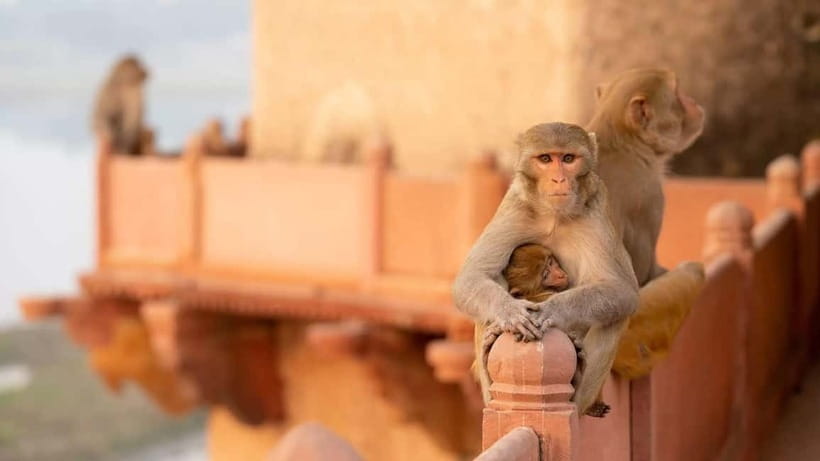
Reviewed · AGRA HERITAGE & OLD CITY WALKS
Agra: Monkey Safari Guided Walking Tour
Monkeys turn ordinary streets into a living zoo. I love the up-close walking safari and the way a local English-speaking guide breaks down monkey behavior with practical safety tips. One thing to consider: timing matters, because the walk can feel rough in the middle of the day when it’s hot.
You start with pickup in Agra and travel with a private AC car, then spend a focused 3 hours on foot in neighborhood lanes and temple areas where monkeys are common. If you like wildlife that’s part of everyday life (not just behind fences), this is a fun, human-scale experience.
In This Review
- Key highlights you’ll actually care about
- Monkey Safari in Agra: what kind of wildlife experience this really is
- Finding your pace: the start, safety briefing, and first photo stop
- The walking route through temple and historic lanes
- Watching rhesus macaques and langurs like a naturalist (without pretending)
- Cultural stories: Hanuman and why monkeys matter here
- Photography moments: how to get great shots without risky moves
- Break time with chai or lemon water (and views)
- Returning at an easy pace and wrapping up with Q&A
- The real value: what $54 gets you (and when it’s worth it)
- Who this tour fits best (and who should reconsider)
- Quick booking checklist before you go
- Should you book Agra Monkey Safari?
- FAQ
- How long is the Agra Monkey Safari Guided Walking Tour?
- What’s included in the price?
- Can I feed the monkeys during the tour?
- Is the tour available in English?
- Do I need to pay attention to ticket lines?
- Is it wheelchair accessible?
Key highlights you’ll actually care about
- A guided walking safari that puts you in the same spaces monkeys use, with safety guidance
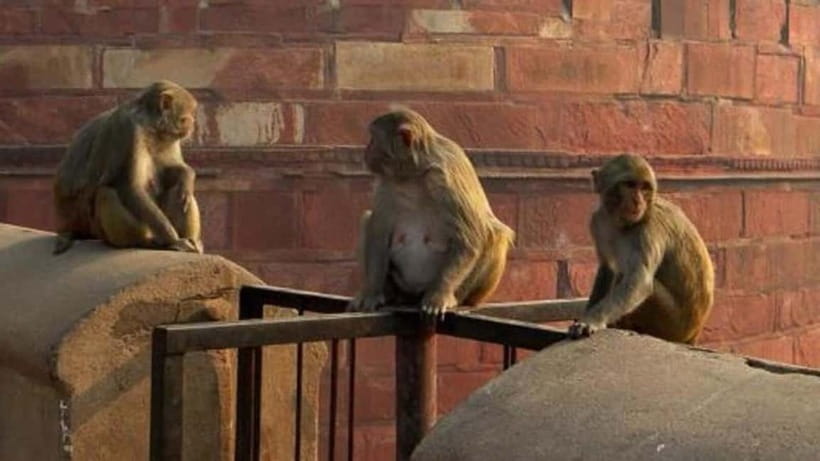
- Spot langurs and rhesus macaques plus other native species as you move through temple and neighborhood areas
- Behavior-focused explanations: social life, habits, and why monkeys coexist with humans here
- Photography help on the ground so you can get good angles without doing anything risky
- Chai or lemon water with a light snack during a break (often with monkey views)
- English live guide with pickup/drop-off plus a mineral water bottle and masala tea included
Deeper into the old lanes of Agra
Monkey Safari in Agra: what kind of wildlife experience this really is
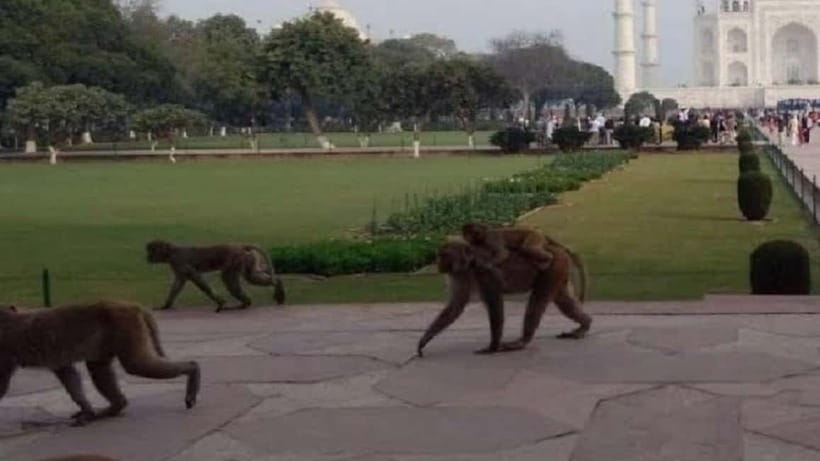
This isn’t a bus-and-observation-deck day. It’s a guided walking safari where you learn to read monkey behavior while staying aware of people, space, and local routines. That matters because Agra’s monkeys aren’t “rare sightings.” They’re part of city life, so you’ll get the most value when you treat this like a lesson in living alongside them.
The tour is also timed like a short, efficient outing: about 3 hours total, with a mix of walking, observation, and cultural context. You’re not stuck for an all-day grind, which I appreciate when you’re balancing sightseeing in Agra.
Finding your pace: the start, safety briefing, and first photo stop
You’re picked up in Agra and brought to the starting area with a private AC car for the whole experience. Before you step into the lanes, your guide sets expectations: how monkeys move, what to watch for, and the safety rules for being near them in an urban setting.
Right away, you get the “how to behave” piece. That’s a big part of why this tour feels smooth. Instead of just chasing animals, you learn what monkey body language can mean—things like how they react to sudden movement, how they behave around people, and how to avoid turning attention into conflict.
There’s also a photo stop early on, plus scenic views on the way as you transition into the areas where monkeys are commonly seen. You’ll get a chance to orient yourself, then switch into safari mode.
The walking route through temple and historic lanes
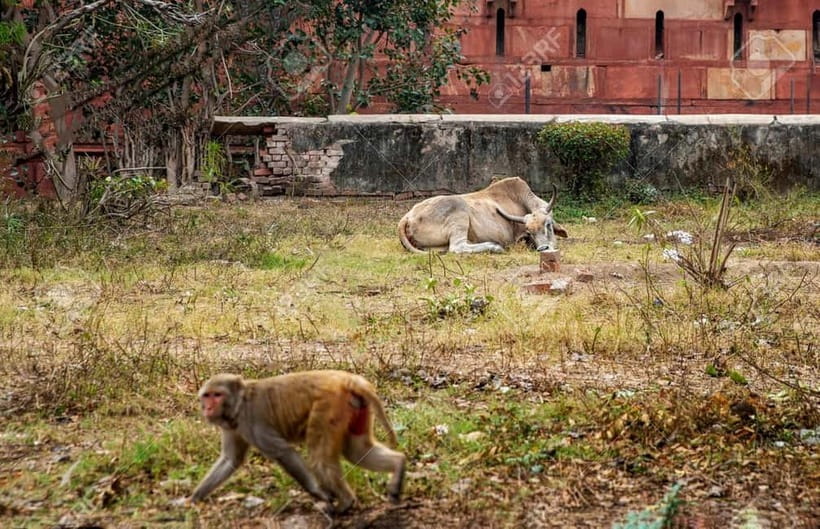
The heart of the experience is a stroll through a historic neighborhood or temple complex area—places where monkeys tend to show up. You’ll move through narrower lanes and temple spaces, and you may even spot monkeys around rooftops and traditional homes.
That rooftop angle is one of those details that makes the tour feel different from a standard “look and point” activity. From street level, you can miss what’s happening above. Your guide helps you notice where the action is and where it’s safe to look.
One practical drawback: it’s still a walking tour. Even when the group is moving at a relaxed pace, temple lanes and neighborhood walkways can be uneven. If you have mobility limitations, this is the part to think carefully about.
Watching rhesus macaques and langurs like a naturalist (without pretending)
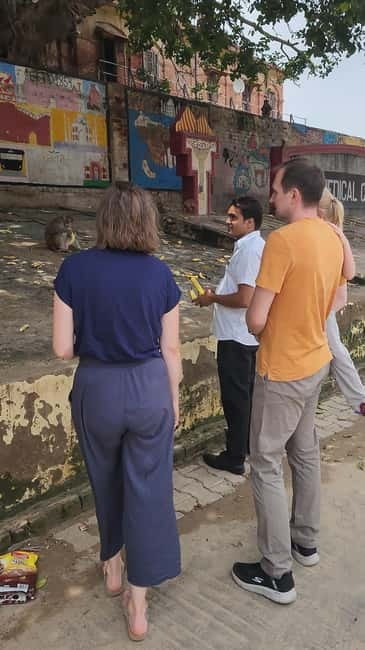
Once you reach monkey-heavy zones, the tour shifts into observation time. You’ll watch for different species—especially rhesus macaques and langurs—and you’ll learn what makes each one’s behavior distinct.
This is where the guide’s explanations pay off. You’re not just seeing animals; you’re understanding why they act the way they do. The tour focuses on:
- Monkey social behavior, including how they interact in groups
- Feeding habits as a concept (you learn what influences where monkeys show up)
- How monkeys coexist with humans in urban India, instead of treating them like a separate world
A key note for your comfort: you won’t be feeding monkeys yourself. The tour is about learning and watching with safe distance and good behavior. That helps keep the experience respectful for the animals and safer for you.
More time with the rescued elephants and bears
- From Agra: Visit to Wildlife SOS Elephant Conservation Trip★ 4.8 · 47 reviews
- From Agra: Taj Mahal Tour w/ Elephant Conservation★ 4.7 · 10 reviews
- Half-Day Private Sightseeing tour to Wildlife SOS from Agra★ 5.0 · 9 reviews
- From Delhi: Taj Mahal Sunrise and Elephant Conservation Tour★ 5.0 · 5 reviews
Cultural stories: Hanuman and why monkeys matter here
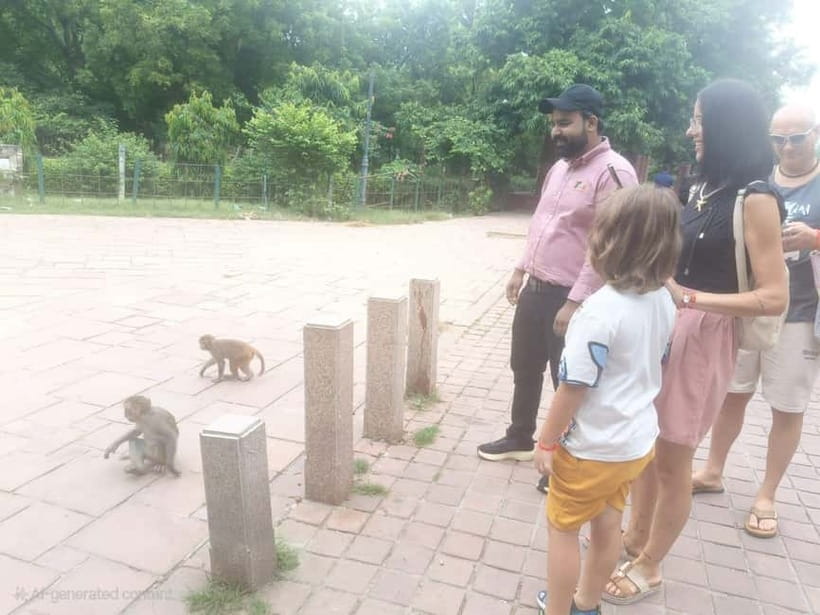
The safari isn’t only about animals. You also get stories and local cultural context, including legends involving monkeys and Lord Hanuman, the monkey god. It’s the kind of storytelling that turns a glance upward into something you can actually connect to the place.
You’ll also see how locals live alongside monkeys—how people protect food and homes, and how daily routines get shaped by the animals’ presence. That part is surprisingly important. In many cities, wildlife is something you travel to. Here, wildlife is something you share the sidewalk with, so your understanding of “why” makes the rest of the day click.
Photography moments: how to get great shots without risky moves
If you care about photos, this tour gives you time and guidance. You’ll have ample opportunity for wildlife and street photography, and your guide helps you spot the best moments and safe angles.
This is one of the best uses of a guide in monkey areas. It’s not about getting fancy equipment tips. It’s about positioning. In tight lanes with animals moving fast, “good framing” can also mean “safe distance.” Your guide helps you avoid the common mistake of stepping too close just to get the shot.
Tip that will actually help: move slowly, look first, and let the animals come into your frame instead of closing the gap.
Break time with chai or lemon water (and views)
After the walking and observation, you get a refreshment break. You’ll have chai or lemon water with a light snack, and the stop may be at a rooftop café or local eatery where you can still keep an eye out for monkey activity.
This break does two things:
- It gives you a reset in the middle of Agra’s heat.
- It lets you see monkeys in a more relaxed way, from a more stable vantage point.
If you’re trying to make the day feel enjoyable, this is the kind of pause that keeps the safari from turning into a sweaty endurance test.
Returning at an easy pace and wrapping up with Q&A
The return walk is more relaxed, and you finish back at the starting point. You also get a Q&A session with your guide, which is a smart way to leave with real understanding instead of only snapshots.
This is when you can ask the questions you didn’t think of earlier, like what you saw that seemed unusual or why monkeys react differently in different spots. It also helps you connect what you learned to other parts of Agra—temple areas, neighborhoods, and daily life where monkeys are part of the scenery.
The real value: what $54 gets you (and when it’s worth it)
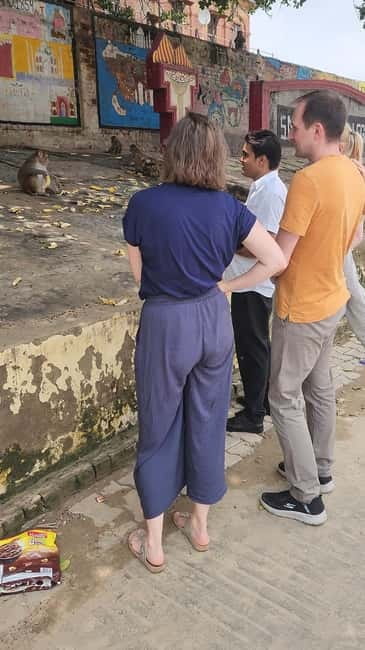
At about $54 per person for a 3-hour tour, you’re paying for more than “monkey watching.” You’re paying for:
- pickup and drop-off in Agra
- a private AC car for the full activity
- a professional English live guide
- masala tea plus a mineral water bottle
- all tolls and parking
- a skip-the-ticket-line benefit for the included visit portion
- guided walking plus interpretation (the behavior and cultural meaning)
That’s good value if you want your time in Agra to feel organized and safe. A DIY monkey walk can be chaotic: you might end up far from where animals are active, or miss the behavior cues that make watching interesting.
When it might feel less worth it: if you only want a quick photo and don’t care about the behavior/cultural context, you could spend less. But if you want to understand what you’re seeing, the guide makes the difference.
Also, your schedule matters. One review noted that doing it early morning or later in the day helps because monkeys are more active, while a mid-day hot slot can be uncomfortable. I’d treat that as advice worth following.
Who this tour fits best (and who should reconsider)
This guided walking safari suits you if you:
- enjoy wildlife you can actually observe and learn about
- like cultural storytelling connected to the place
- want a short, structured outing that fits into a sightseeing day
- are comfortable walking through neighborhood and temple areas
It also works well for families with older kids. One family experience included an 8-year-old, and the key takeaway was that the guide kept things safe while still allowing close observation.
Reconsider if you:
- need an easy, flat route with minimal walking
- have mobility limits that make uneven lanes and temple areas difficult
Quick booking checklist before you go
To get the best experience, plan around comfort and rules:
- choose a time when you can handle the heat (early or later tends to be better)
- wear breathable clothes and comfortable walking shoes
- keep your expectations realistic: you’re watching animals in a city, not controlling them
- remember you’re not feeding monkeys; focus on observation and safety
Should you book Agra Monkey Safari?
Yes, if you want a wildlife experience with context and good guidance. This tour shines because it’s not just about seeing monkeys—it’s about learning their behavior, understanding how they live alongside people, and getting help with safe positioning for photos. The included chai, water, and private AC car also make it an easy add-on to a sightseeing day.
Skip it or ask questions first if mobility is a concern for you. And if you hate walking in heat, plan the timing carefully so the safari stays fun instead of miserable.
FAQ
How long is the Agra Monkey Safari Guided Walking Tour?
The tour lasts 3 hours.
What’s included in the price?
Included are pickup and drop-off in Agra, a private AC car for the entire activity, a professional English live tour guide, a mineral water bottle, masala tea, and all toll taxes and parking.
Can I feed the monkeys during the tour?
No. Guests will not be allowed to feed the monkeys. The guide covers feeding habits and behavior, but you aren’t distributing food yourself.
Is the tour available in English?
Yes, the live guide speaks English.
Do I need to pay attention to ticket lines?
The activity includes a skip the ticket line benefit for the included visit portion.
Is it wheelchair accessible?
The information lists wheelchair accessible, but it also says it is not suitable for people with mobility impairments. If mobility is a factor for you, it’s smart to confirm details with the provider before booking.
More Tour Reviews in Agra
- Agra: Skip-the-Line Taj Mahal & Agra Fort Private Tour
★ 4.9 · 1,546 reviews - Agra: Taj Mahal Express Entry Tickets
★ 4.8 · 684 reviews - Agra: Taj Mahal and Mausoleum Guided Tour with Skip-the-Line
★ 4.8 · 631 reviews - Agra: Taj Mahal & Mausoleum Skip-the-Line Tour with Options
★ 4.9 · 456 reviews - Private Guided Tour of Agra
★ 5.0 · 420 reviews
More Time at the Elephant Rescue
- From Agra: Visit to Wildlife SOS Elephant Conservation Trip
★ 4.8 · 47 reviews - From Agra: Taj Mahal Tour w/ Elephant Conservation
★ 4.7 · 10 reviews - Half-Day Private Sightseeing tour to Wildlife SOS from Agra
★ 5.0 · 9 reviews - From Delhi: Taj Mahal Sunrise and Elephant Conservation Tour
★ 5.0 · 5 reviews
Old Agra on Foot
- Agra Walking Tour
★ 5.0 · 109 reviews - Agra: Street Food Walking Tour, Spice Market, & Tuk-tuk Ride
★ 4.9 · 102 reviews - Agra 101 City Walk
★ 5.0 · 41 reviews - Flavours of Agra Food walk
★ 5.0 · 25 reviews - Agra: Sadar Bazar Food Market Night Walking Tour by Tuk-Tuk
★ 4.9 · 25 reviews
Just Reviewed: The Latest Agra Tours








Agra Heritage & Old City Walks, compared.
 ★ 5.0Agra Walking TourFrom $11109 reviews
 ★ 4.9Street Food Walking Tour, Spice Market, & Tuk-tuk RideFrom $14102 reviews
 ★ 5.0Agra 101 City WalkFrom $4141 reviews
 ★ 4.9Sadar Bazar Food Market Night Walking Tour by Tuk-TukFrom $825 reviews
 ★ 5.0Flavours of Agra Food walkFrom $4825 reviews
 ★ 4.9Agra Fort: Guided UNESCO Heritage Walking TourFrom $621 reviews
 ★ 5.0Agra Old City Walking Tour, Private Heritage walking Guided TourFrom $2520 reviews
 ★ 5.0Street Food and Walk Tour with Spice Market by Tuk-TukFrom $1518 reviews
Browse the lists this tour appears in